
The Lifespan of Spray Foam Insulation: How It Outlasts Traditional Insulation Materials
Insulation plays a crucial role in how buildings perform over time, influencing energy use, comfort, durability, and even long-term operating costs. While fiberglass, cellulose, and mineral wool have long been staples in construction, spray foam insulation has emerged as a standout option for owners who want performance that lasts for decades. Many property owners now turn to a local spray foam insulation contractor to help them maximize efficiency and protect their structures from moisture, air leakage, and temperature swings. Spray foam consistently outperforms traditional materials, so it is good to examine its lifespan, real-world performance, and financial value.
Understand The Basics Of Spray Foam Insulation
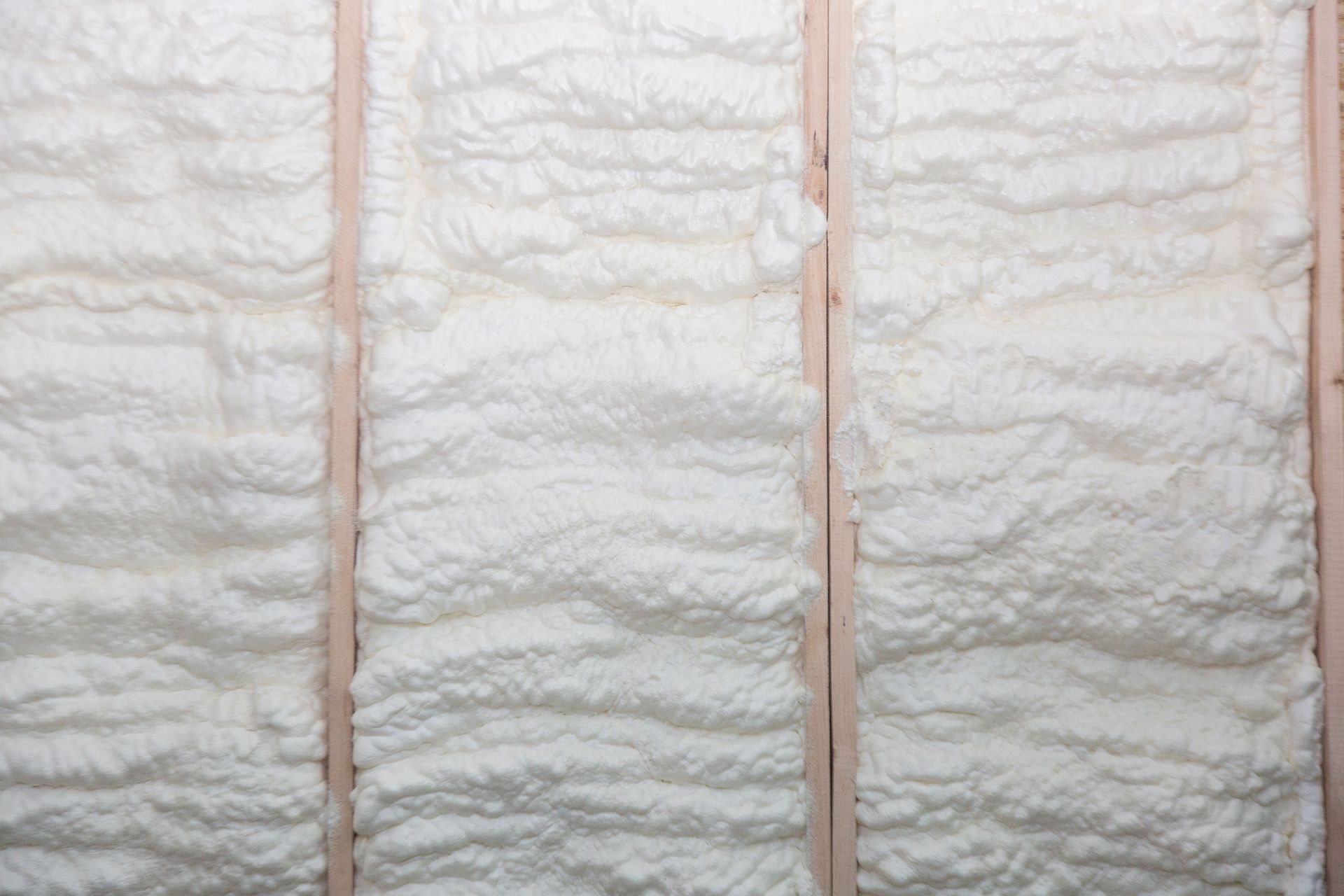
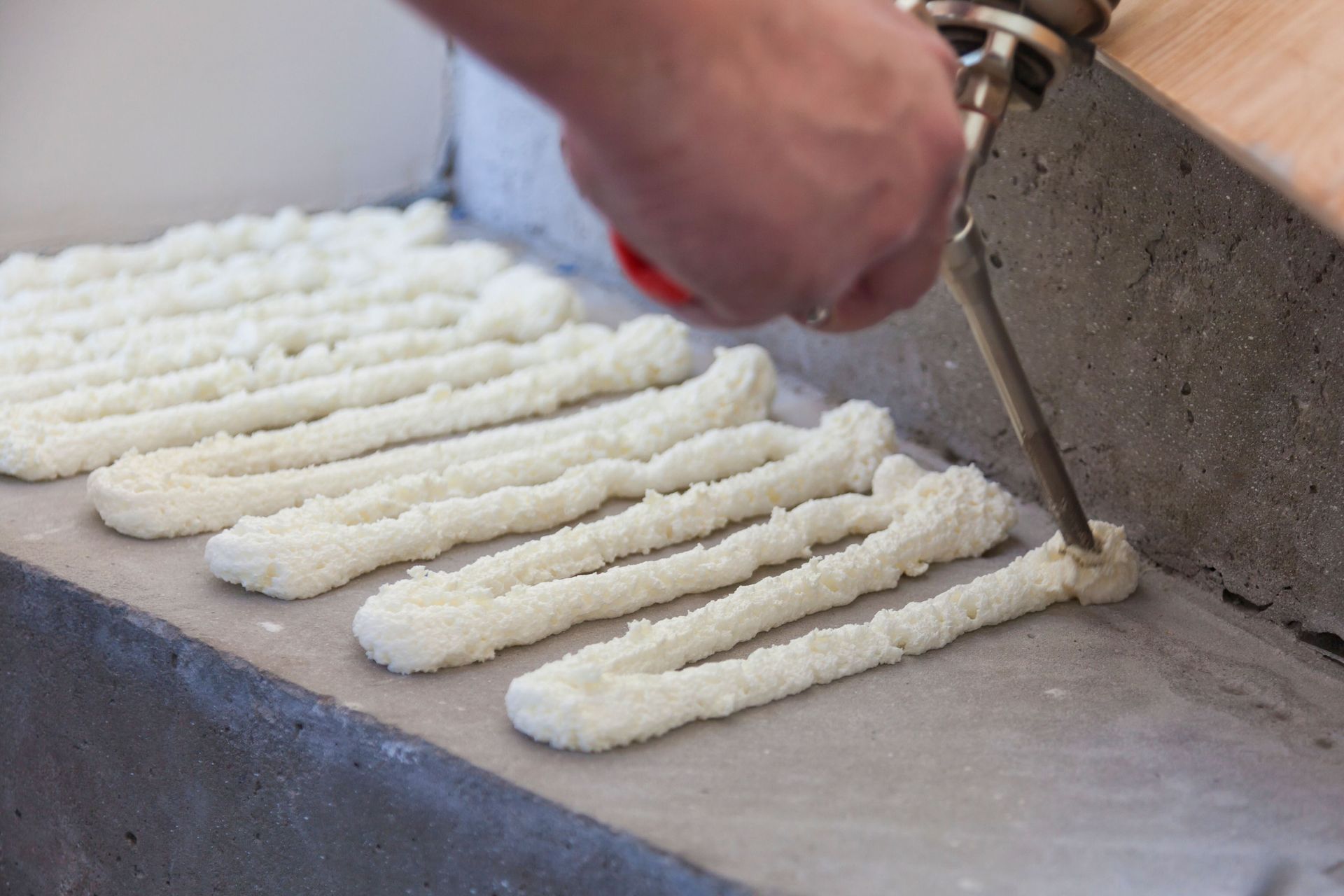
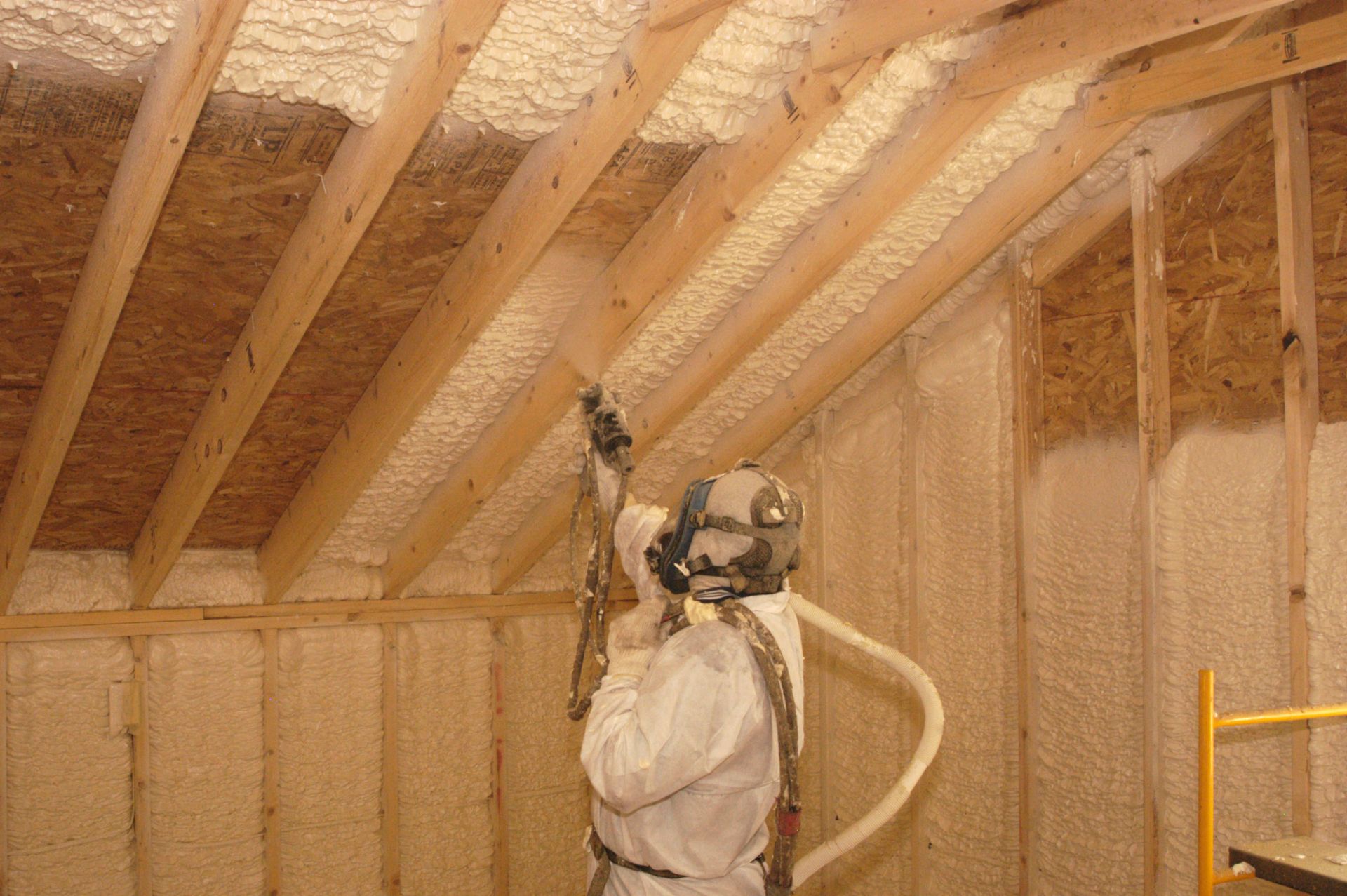
Spray foam insulation is created when liquid components—typically isocyanate and polyol resin—combine at the spray gun and react to form an expanding foam. In our experience, we have seen this foam grow 30 to 60 times its liquid size, allowing it to fill gaps, cracks, and irregular spaces that other insulation materials often miss.
Open-cell and closed-cell foam varieties currently dominate the market. Open-cell foam is lighter and more flexible, making it useful for interior applications and sound control, while closed-cell foam is denser and delivers a higher R-value per inch, as well as additional moisture resistance. This versatility makes spray foam suitable for homes, commercial facilities, agricultural structures, pole barns, and steel buildings alike.
Explain How Spray Foam Creates an Airtight Seal
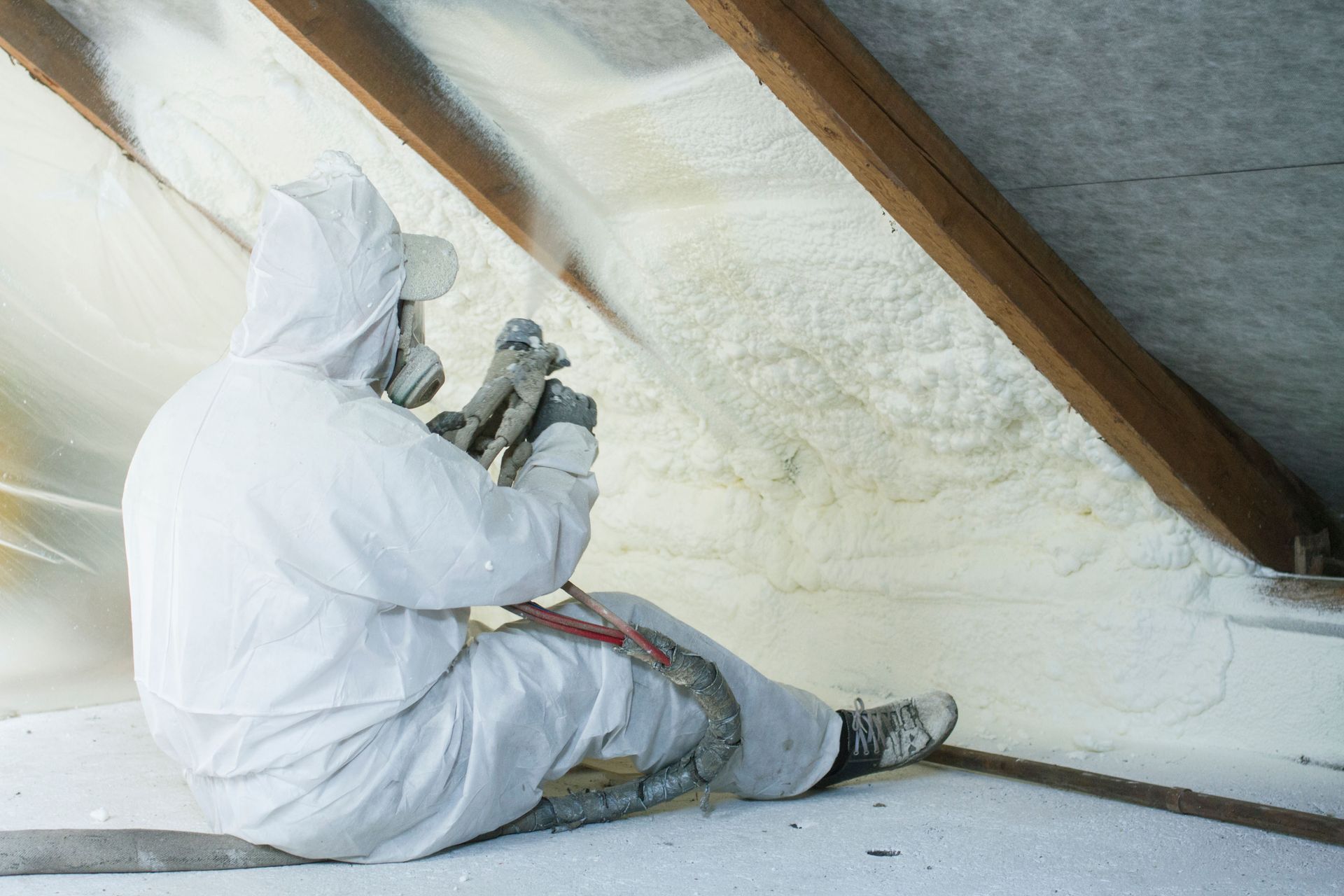
Unlike batt or blown-in insulation that relies on fitting neatly between framing members, spray foam expands to form a continuous barrier. This airtight seal dramatically reduces drafts and uncontrolled air movement, two of the biggest culprits behind energy loss in buildings. Because the foam adheres directly to surfaces, it can be applied in tight cavities, roof decks, rim joists, and irregular framing where traditional materials struggle. The result is consistent thermal performance throughout the structure, improved indoor comfort, and protection against moisture intrusion that can lead to mold or rot.
Highlight Key Advantages Over Traditional Materials
Durability is one of spray foam’s most compelling advantages. According to Linden, spray foam has an average lifespan of about 80 to 100 years, which is longer than some materials, such as cellulose. While fiberglass and cellulose can compress, settle, or degrade over time, spray foam maintains its shape and insulating power for decades. It also produces very little waste during installation, requires no cutting to fit awkward spaces, and can even add rigidity to walls and roofs. For owners focused on longevity and consistent performance, partnering with a local spray foam insulation contractor can provide a solution that outlasts multiple generations of conventional insulation.
Describe Proper Installation Methods and Safety Measures
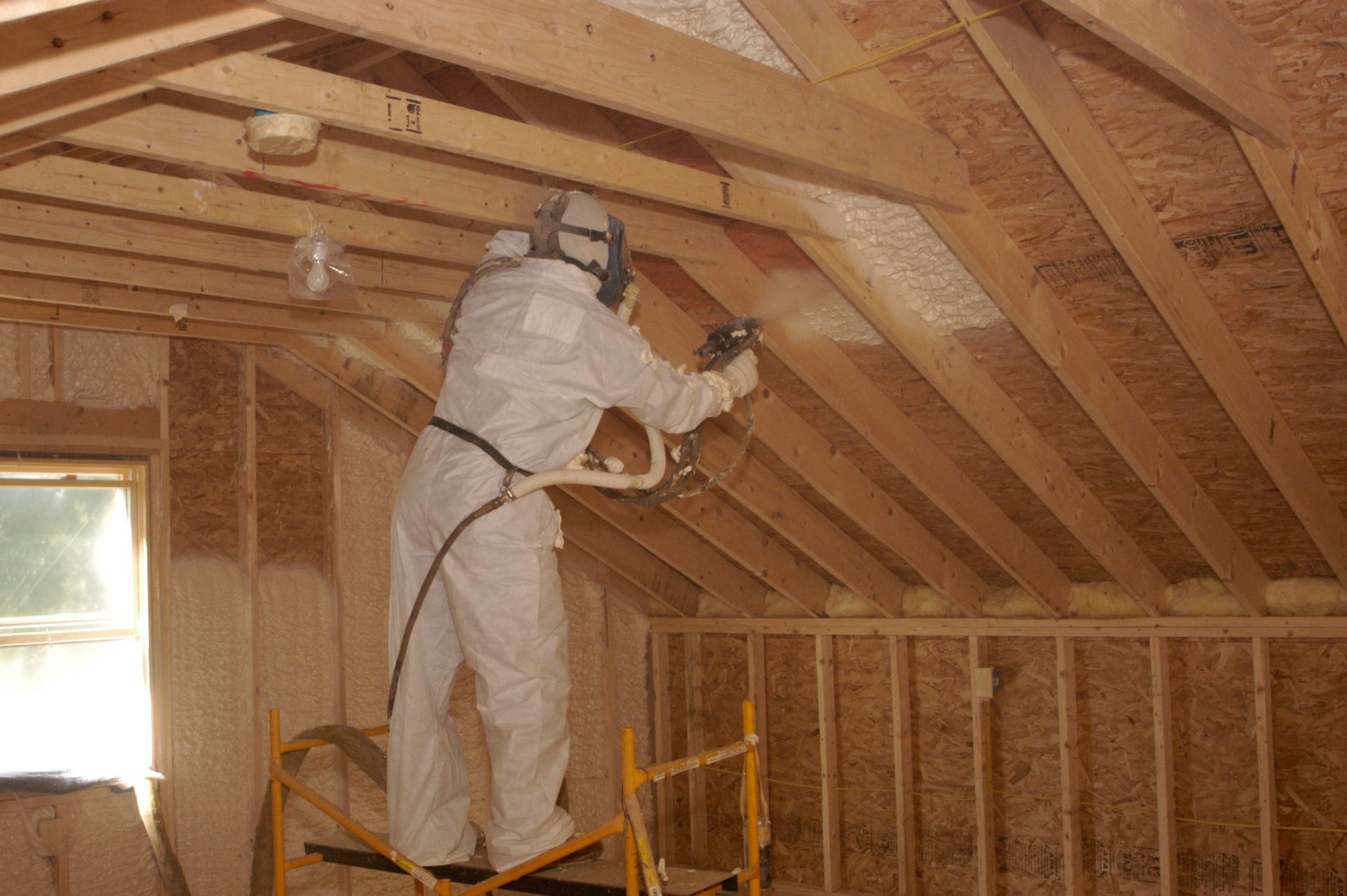
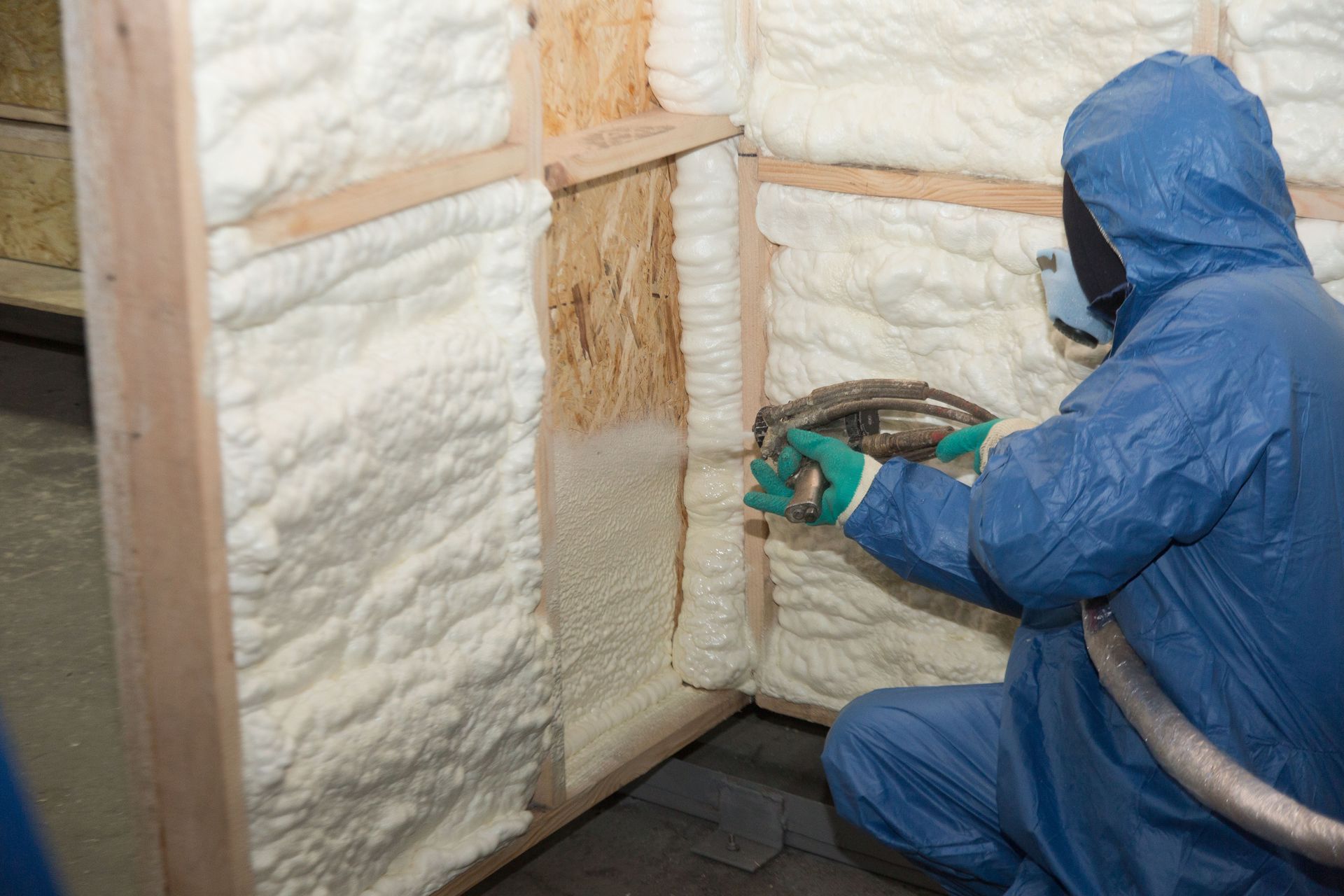
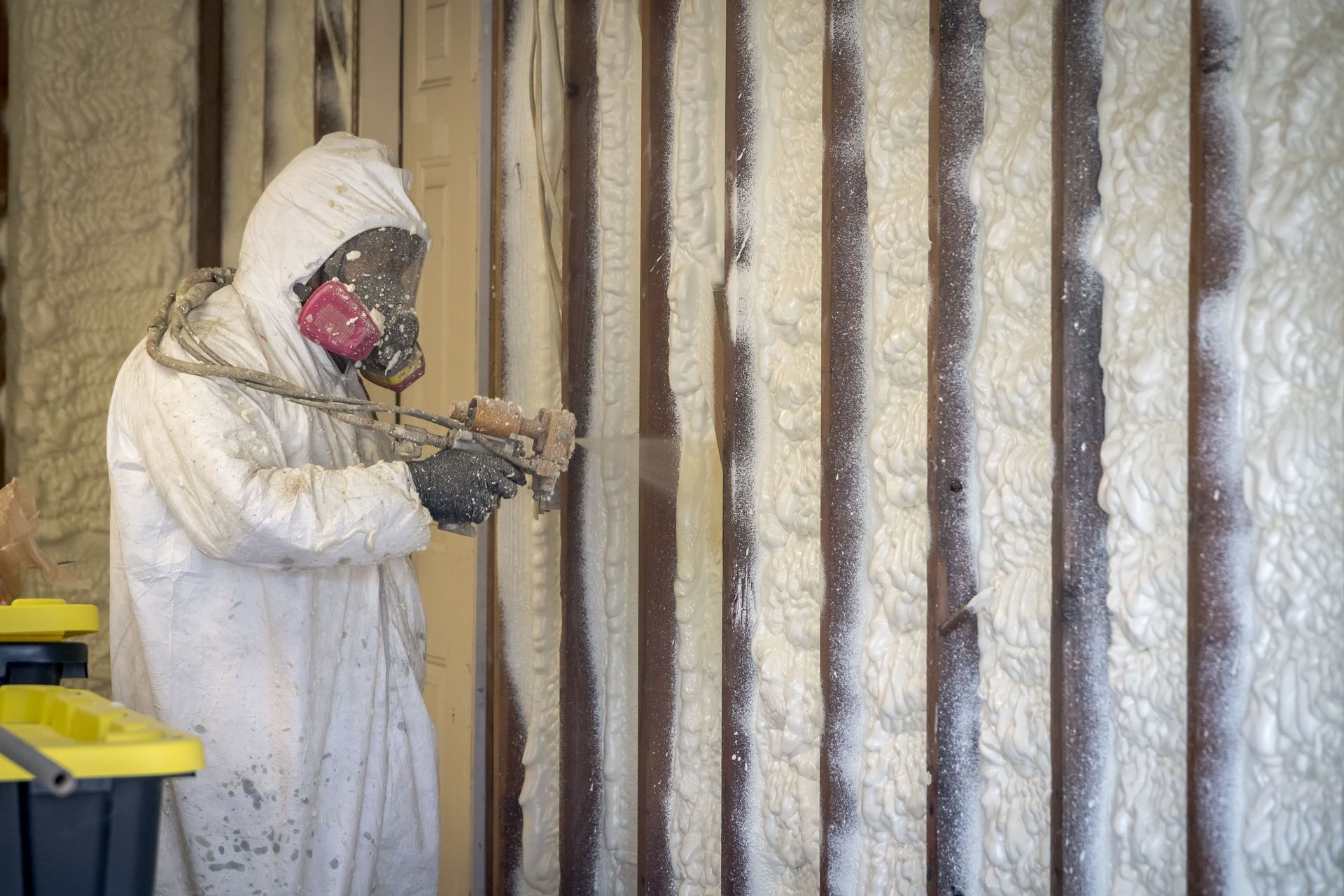
Applying spray foam requires specialized equipment and technical expertise. The liquid components must be mixed at precise ratios and sprayed evenly to achieve full expansion and proper curing. Adequate ventilation during application is essential to protect installers and occupants, and surfaces must be clean and dry to ensure strong adhesion. Pre-installation preparation often includes addressing existing moisture issues, sealing obvious leaks, and protecting nearby finishes. When installed correctly, spray foam becomes inert and stable, delivering decades of reliable service with minimal maintenance.
Examine Environmental and Health Considerations
Spray foam’s environmental impact is closely tied to its energy-saving capabilities. By reducing heating and cooling demands, it helps lower a building’s carbon footprint over time. Modern formulations continue to evolve, with manufacturers focusing on reduced emissions during production and improved sustainability profiles. During installation, safety protocols—such as personal protective equipment and controlled ventilation—are essential. Once cured, however, the foam poses little risk to occupants and contributes to healthier indoor environments by limiting moisture buildup and air infiltration.
Explore the Science Behind Long-Term Performance
The remarkable lifespan of spray foam insulation comes from its chemical structure. When the two liquid components react, they form a durable polymer network that resists breakdown, compression, and environmental stress. Closed-cell foam, in particular, offers exceptional resistance to water absorption and physical wear. This chemical stability allows the material to perform consistently across decades, even in demanding environments where temperature extremes or humidity might shorten the life of traditional insulation.
Compare Lifespans With Conventional Insulation
Traditional insulation materials can vary widely in longevity. In our experience, fiberglass often lasts 10 to 25 years before settling or suffering moisture damage, while cellulose typically needs reinforcement or replacement after 20 to 30 years. Mineral wool may last longer, but still faces challenges from air leakage and shifting over time. We have found that spray foam’s projected 80- to 100-year lifespan places it in a different category altogether. Owners who work with a local spray foam insulation contractor frequently choose it not only for immediate energy savings, but for the confidence that it will not require replacement for decades.
Evaluate Performance Across Diverse Climates
Cold regions benefit from spray foam’s ability to prevent heat loss, keeping interiors warm and reducing strain on heating systems. In hot or humid climates, its moisture resistance and air-sealing properties help block heat gain and limit mold growth, maintaining healthier indoor conditions. Coastal areas pose special challenges due to salty air and high humidity, but closed-cell spray foam provides a resilient barrier against corrosion-promoting moisture infiltration. Across these varied environments, spray foam proves adaptable and durable, maintaining performance where other materials often struggle.
Analyze Long-Term Cost Effectiveness
Although spray foam generally carries a higher upfront price than fiberglass or cellulose, its long-term value often outweighs the initial investment. Reduced energy bills, minimal maintenance needs, and the absence of replacement costs combine to create substantial savings. Properties insulated with spray foam may also enjoy increased market appeal due to better energy ratings and improved comfort. In areas prone to severe weather, the added structural reinforcement can translate into fewer repairs and, in some cases, insurance advantages—benefits frequently highlighted by a
local spray foam insulation contractor during consultations.
Emphasize The Importance Of Skilled Installation
The full benefits of spray foam depend heavily on installation quality. Mistakes such as under-spraying, uneven coverage, or incorrect mixing ratios can compromise performance and longevity. Temperature control, surface preparation, and ventilation planning are equally critical during application. Certified, well-trained installers follow strict industry standards to ensure consistent results. Routine inspections after installation are usually minimal, but keeping an eye on the building envelope—such as watching for roof leaks—helps preserve the insulation system for the long haul.
Reflect On Consumer Satisfaction And Industry Trends
Homeowners and building managers frequently report high satisfaction with spray foam, citing noticeable drops in utility costs, quieter interiors, and improved temperature consistency. Compared with traditional insulation, users often experience fewer moisture-related issues and less need for corrective work over time. Ongoing research continues to push the industry forward, with new formulations aimed at reducing environmental impact and improving application efficiency. Advances in spraying equipment are also making projects faster and more precise, reinforcing spray foam’s reputation as a forward-looking insulation solution.
Spray foam insulation stands apart for its longevity, resilience, and ability to deliver stable energy performance decade after decade. With longer lifespans, superior moisture resistance, and measurable savings on heating and cooling, it offers a compelling alternative to conventional materials in residential, commercial, and agricultural settings. At Ultimate Spray Foam, LLC, we have been serving Iowa, Kansas, Nebraska, and South Dakota since 2007, and we provide free estimates to help property owners make informed decisions about their insulation projects. If you are ready to improve efficiency and durability in your building, contact our team today to work with a local spray foam insulation contractor who is focused on long-term results.
Share On: