
4 Roles of Spray Foam Insulation in Moisture Control and Building Durability
An experienced spray foam insulation company knows that this treatment plays many multifaceted roles in managing moisture levels and enhancing building durability. Spray foam insulation is not only a thermal barrier but also serves as an integral component in modern building practices, contributing to moisture control, structural integrity, and energy efficiency. Understanding these practical impacts can help property owners make informed choices about their insulation needs.
1. Forming a Barrier
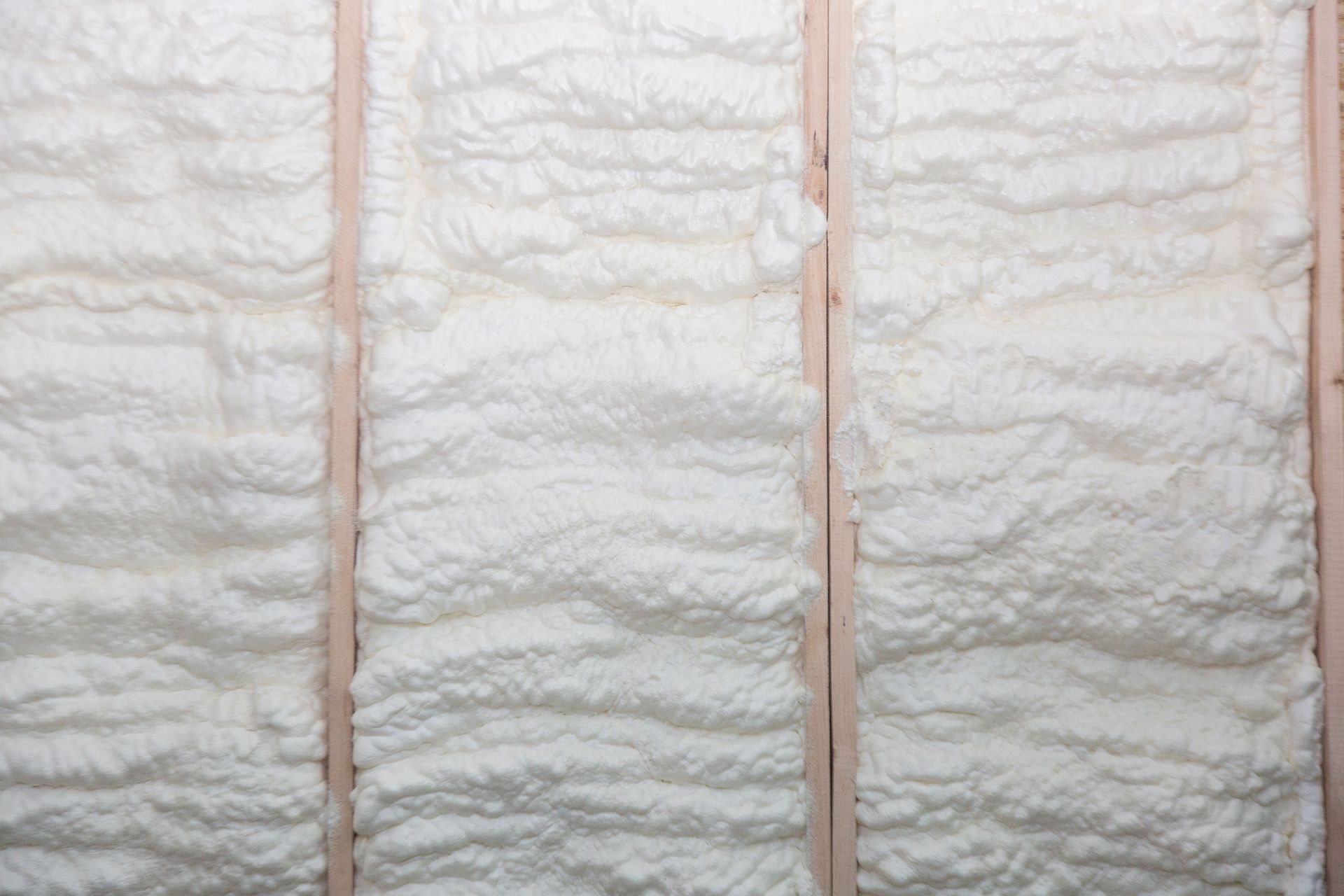
Spray foam insulation is an effective moisture barrier thanks to its unique formulation and application. Once applied, the foam expands and solidifies, filling every crevice to create a tight seal against moisture intrusion. Unlike traditional materials, spray foam's seamless application means fewer joints or gaps where water can penetrate. In coastal or humid regions, this provides a significant advantage by protecting internal structures from rot and decay. This is a crucial step for any property. In fact, according to the North American Insulation Manufacturers Association, approximately 90% of homes in the U.S. are under-insulated, which can result in excess moisture in a space. A dependable barrier is key to maintaining the overall health and durability of a building.
Compared to traditional moisture control methods, spray foam insulation offers superior protection. Traditional barriers can often leave unsealed gaps, allowing for excess moisture that can lead to significant issues like mold or mildew. Spray foam, conversely, acts as a comprehensive barrier due to its ability to form a tight seal around every surface it contacts. This characteristic provides homeowners with peace of mind and effective moisture management in a variety of climates and weather conditions. As building practices advance, the demand for more effective solutions like spray foam continues to grow, and finding the right spray foam insulation company becomes necessary for protecting your home.
The impact on indoor air quality is another critical factor to consider when using spray foam insulation. By minimizing air leaks and moisture infiltration, an insulation company helps to maintain safer and healthier indoor environments. This can reduce the occurrence of allergenic mold growth and other air quality issues commonly associated with poor insulation and moisture management. Consequently, spray foam is increasingly incorporated into eco-friendly building designs focused on improving indoor environmental quality. Applying spray foam insulation for moisture control showcases its effectiveness across various building types and climates.
2. Contributing to Durability
One of the standout advantages a spray foam insulation company offers is a contribution to structural strength. The dense, rigid nature of closed-cell spray foam, in particular, fortifies the construction by adding a layer of stability. It acts as a supporting element that withstands environmental stressors such as wind and seismic activity. This enhancement of structural integrity can improve the longevity and resilience of buildings, contributing to a safer environment overall. The decision to incorporate spray foam thus extends beyond mere thermal regulation, adding tangible benefits to building endurance.
Spray foam insulation also offers notable resilience against weather and natural disasters. Its resistance to moisture and ability to maintain structural integrity during floods or heavy rains make hiring a spray foam insulation company an excellent choice for property owners in regions prone to challenging weather conditions. Even in the face of high winds or hurricanes, buildings with spray foam insulation exhibit less damage owing to the added strength provided by foam. This resilience reduces the need for frequent repairs and maintenance, offering homeowners and developers a cost-effective long-term solution. Overall, this technology stands at the forefront of strategies aimed at robust and durable construction.
By mitigating the risk factors associated with moisture infiltration, spray foam insulation substantially reduces the development of mold and mildew. Mold growth can weaken structures and pose serious health risks to occupants. Spray foam's comprehensive seal prevents the moisture that mold needs to thrive, enhancing indoor air quality and structural safety. Moreover, consider the preservation of older buildings where moisture control is particularly challenging. Utilizing spray foam in these contexts aligns with conservation efforts aimed at preserving historical architecture while upgrading its durability and functionality.
3. Saving on Energy
Spray foam insulation plays a critical role in reducing heating and cooling costs within buildings. Its unparalleled sealing ability prevents air leaks, allowing for better temperature regulation and reduced HVAC system strain. This efficiency translates directly into cost savings on energy bills, a significant consideration for both homeowners and businesses. By retaining temperature-controlled air, spray foam minimizes energy waste and promotes a more sustainable environment.
Beyond immediate energy savings, spray foam insulation supports compliance with increasingly stringent energy-efficient building codes. As jurisdictions across the world aim to reduce carbon footprints, incorporating spray foam provides an effective way to meet these codes. The foam's insulating properties enhance overall building performance, contributing to sustainability benchmarks. Builders and developers are encouraged to consider these codes when selecting insulation, and the right spray foam insulation company can offer a compliant and future-proof option. This choice aligns with broader goals of reducing consumption and embracing renewable energy initiatives.
Over the long term, the cost benefits of spray foam insulation extend beyond basic energy savings. The increase in structural durability and decrease in maintenance costs make working with a spray foam insulation company a wise investment. As more governing bodies recognize the importance of energy-efficient building practices, various incentives for using spray foam insulation are becoming available. Investing in spray foam not only improves building performance but also potentially leverages government support. The value of spray foam insulation in modern construction cannot be overstated.
4. Insulating With Professionals
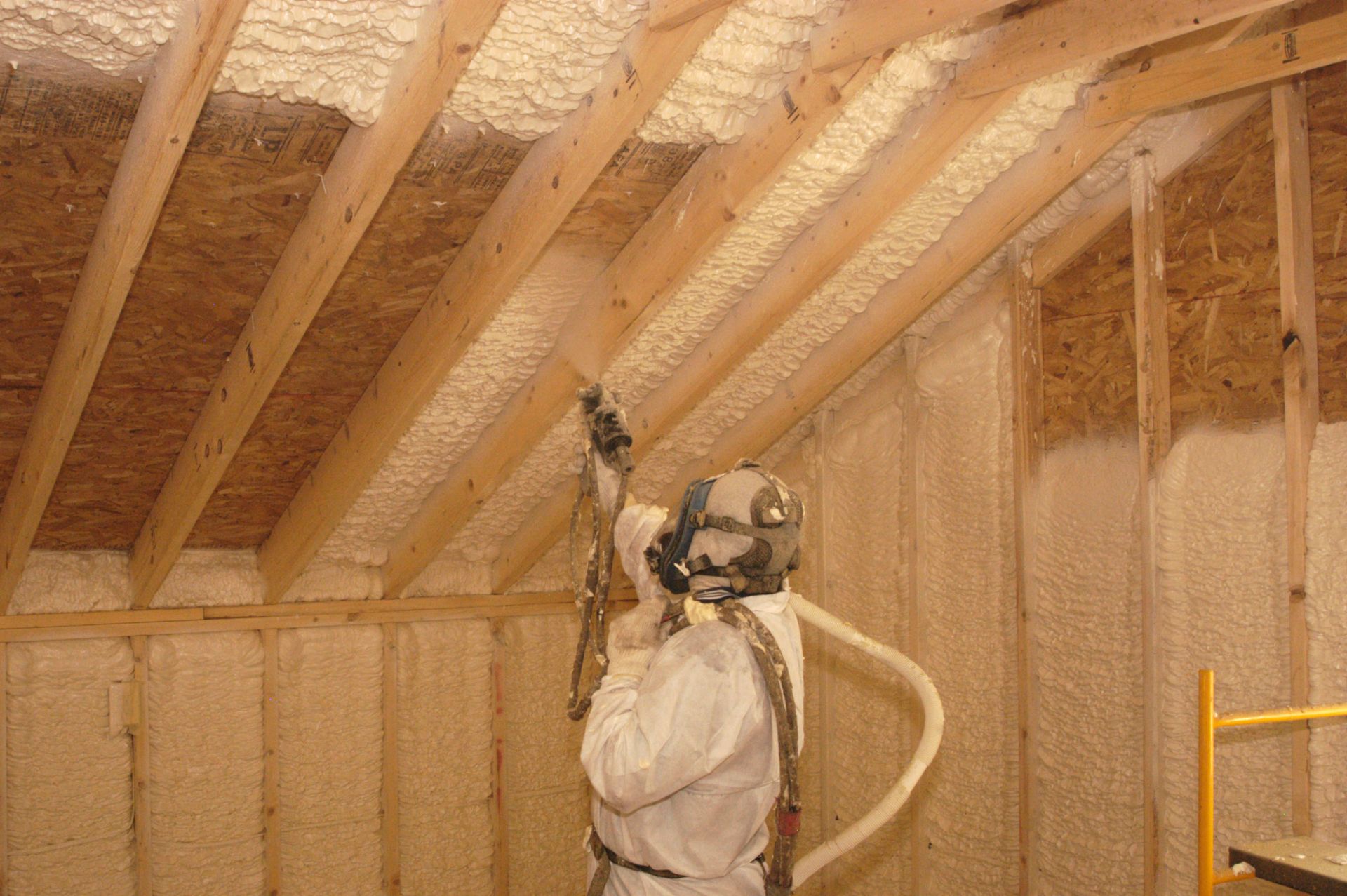
When selecting spray foam insulation, it is crucial for builders and homeowners to choose the right product for their specific needs. Understanding the differences between open-cell and closed-cell foam will guide effective decision-making. Your insulation company can educate you on the details of these options. Each type offers distinct properties that cater to different environmental conditions and building designs. Consultation with industry professionals can aid in understanding product variations, structural requirements, and how best to leverage the benefits of spray foam. An informed choice ensures optimal performance and longevity of insulation installations.
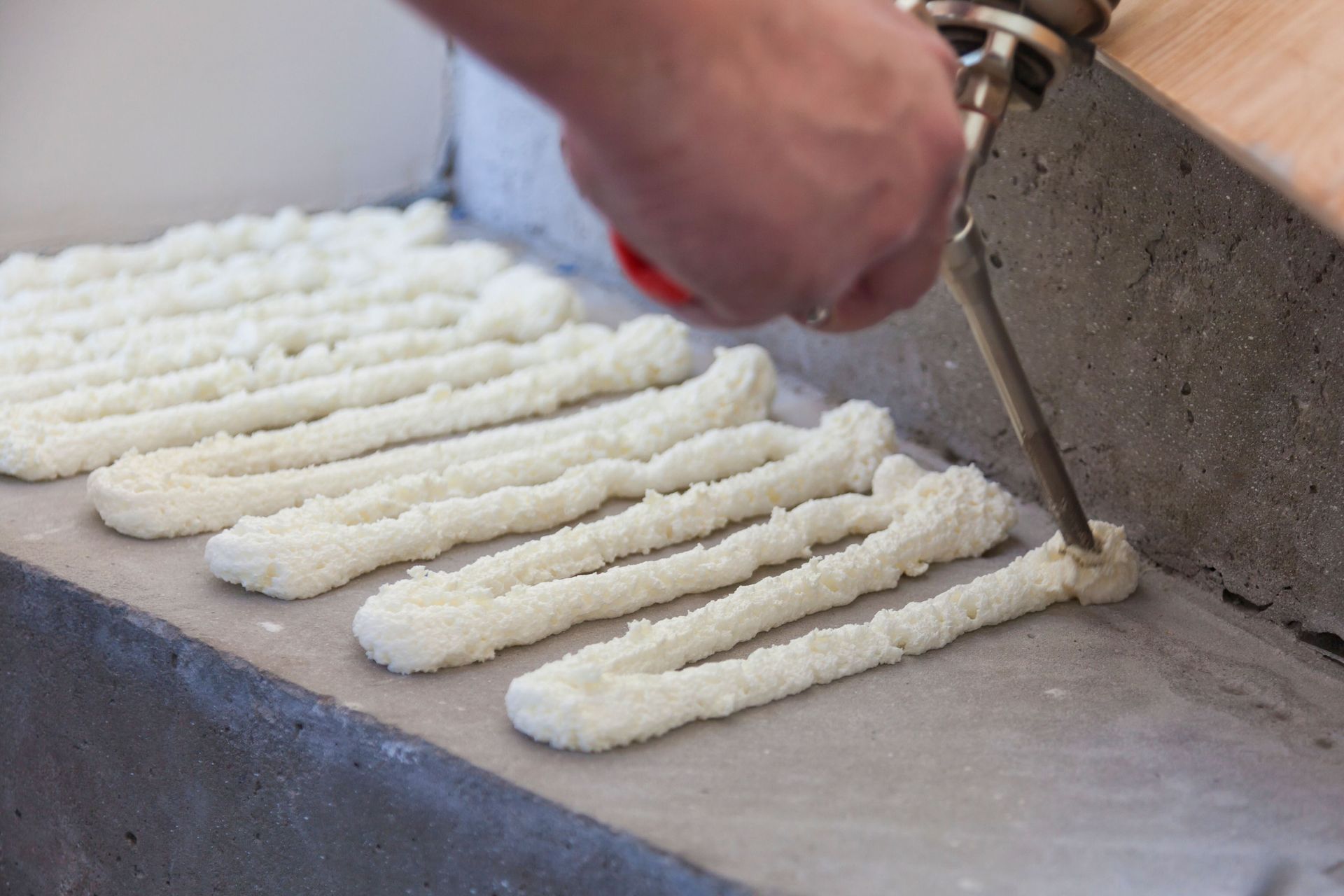
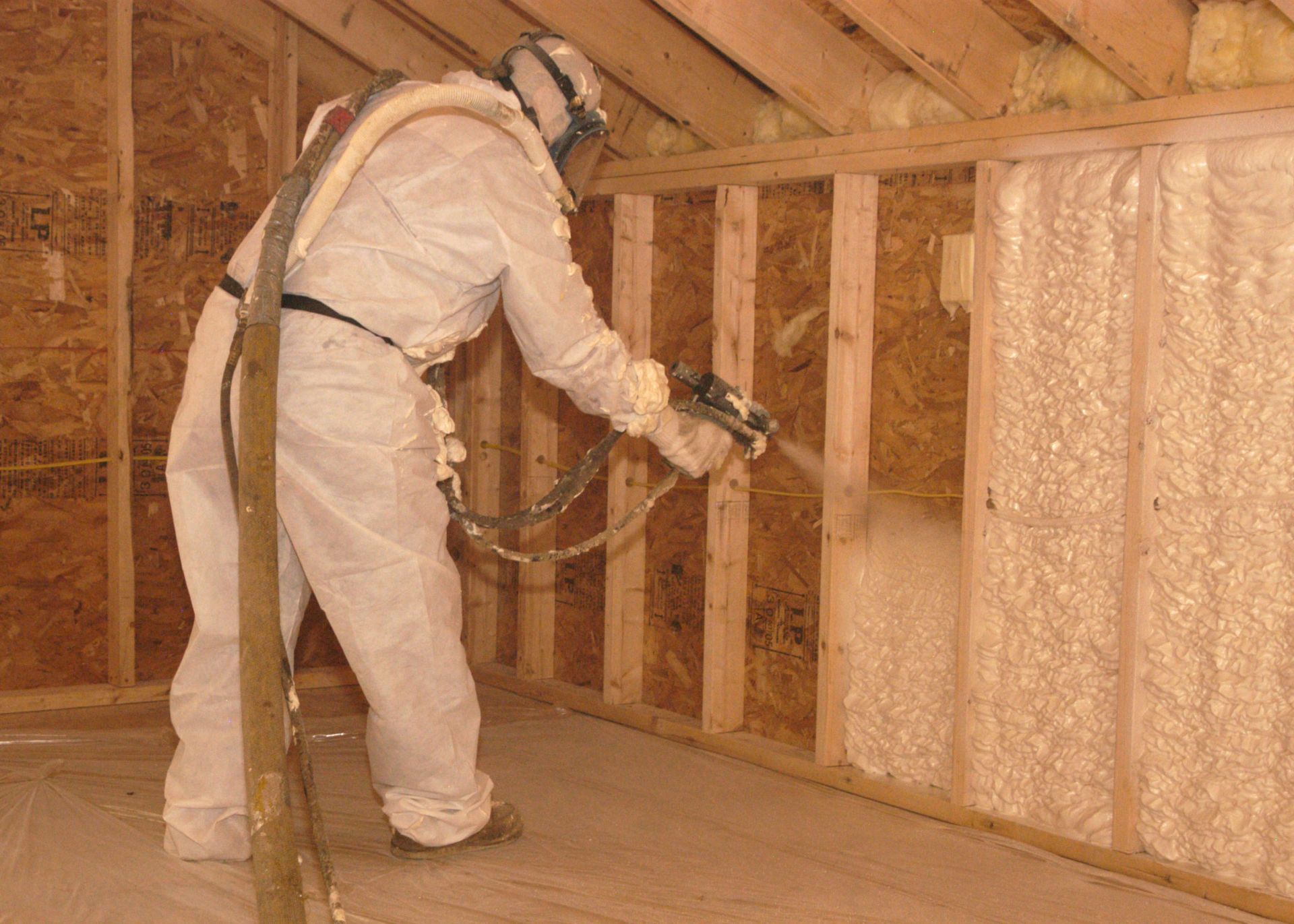
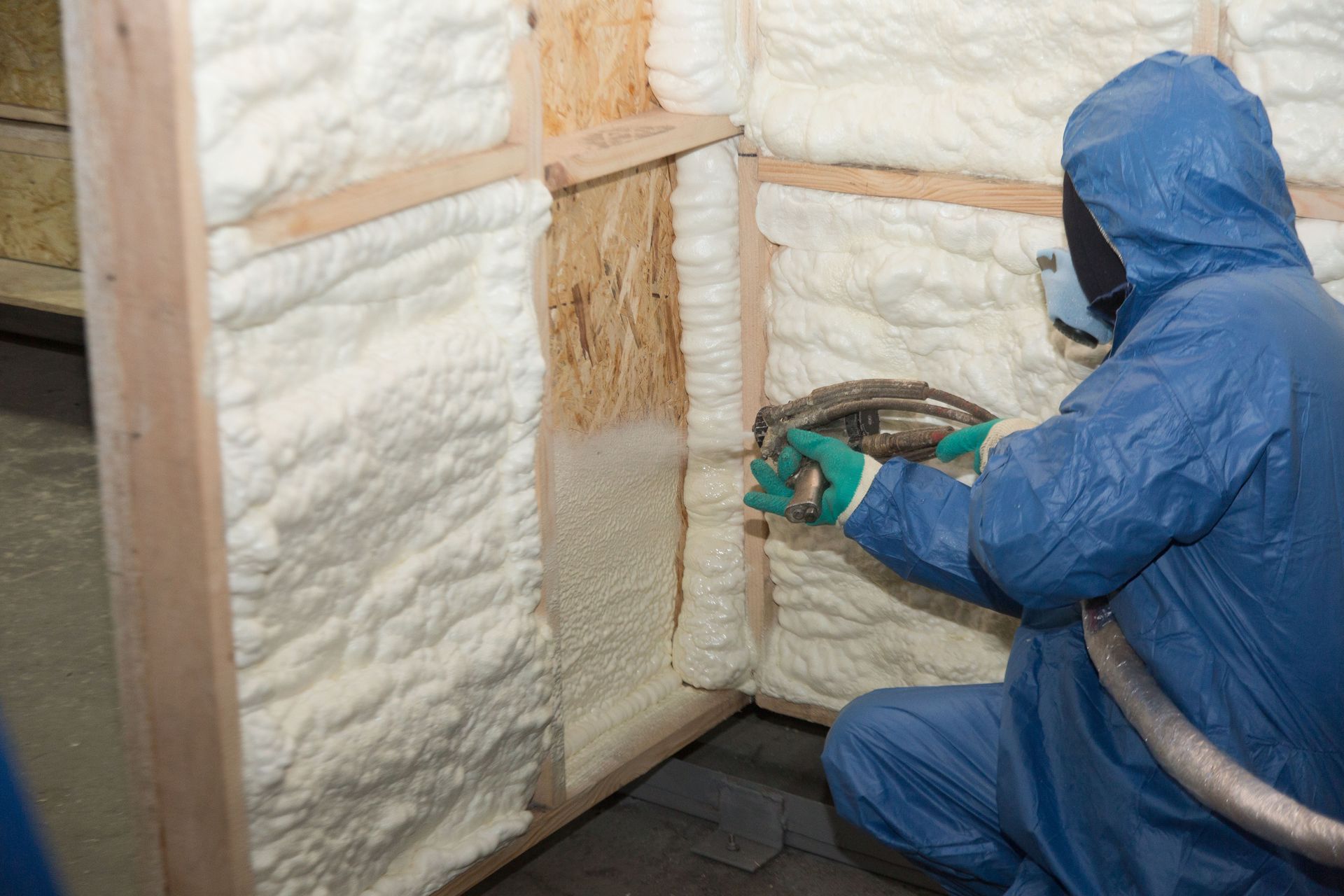
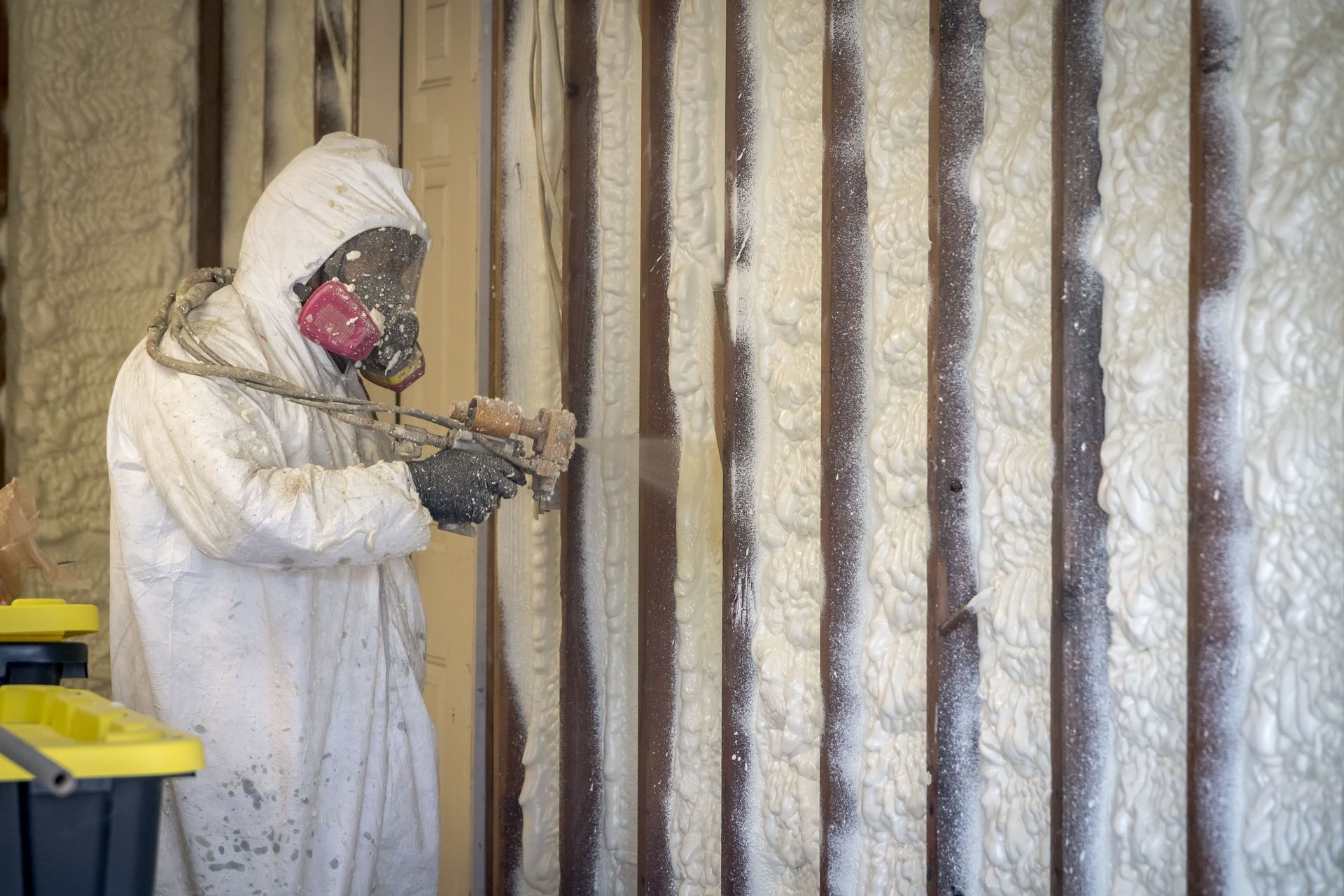
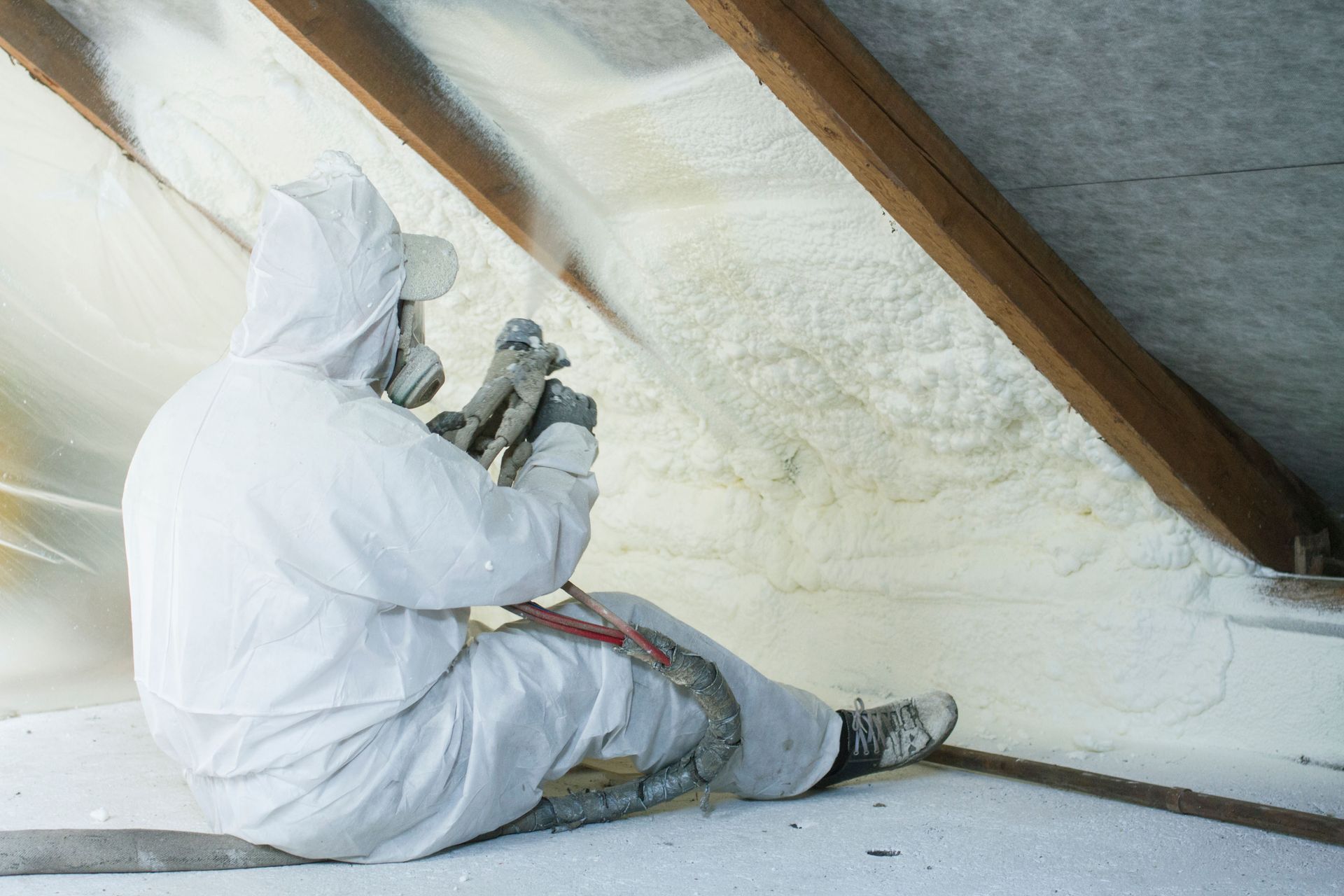
Professional installation is key to a successful insulation installation. Expert installation by experienced contractors ensures accuracy and compliance with building codes. Technicians from a spray foam insulation company are trained to apply the foam consistently, avoiding common pitfalls that a novice might encounter. Issues such as uneven application or insufficient coverage can lead to reduced effectiveness and even structural compromise. It's always recommended to rely on professional expertise for safe and optimal insulation application.
Understanding building codes and regulations related to insulation can prevent future legal and safety issues. Compliance with local and national standards is mandatory during installation and should never be overlooked. Additionally, safety and health considerations, such as ensuring proper ventilation during installation, are vital to protect both installers and occupants. Non-compliance or ignorance of these standards can lead to fines, project delays, or health risks. A spray foam insulation company is well-versed in applicable regulations to help guarantee successful implementation.
Spray foam insulation is a versatile and effective solution for moisture control and enhancing building durability. By understanding its various roles and benefits, homeowners and builders can make informed decisions to ensure lasting performance and value. Continued innovation in this field promises further enhancements in energy efficiency, sustainability, and building technology. When you're ready to upgrade your insulation, contact Ultimate Spray Foam, LLC.
Share On: