
How Spray Foam Installation Can Improve Insulation Performance
Insulation plays a critical role in maintaining energy efficiency and comfort within buildings. Traditionally, insulation might involve materials like fiberglass or cellulose. However, the advent of spray foam offers enhanced performance benefits, positioning it as a superior alternative. Spray foam insulation is notable for its ability to expand and create an airtight seal, improving thermal resistance and air barrier performance. This article will delve into the various advantages of spray foam insulation, demonstrating how it surpasses traditional methods.
Understanding the Basics of Spray Foam Insulation
What is Spray Foam Insulation?
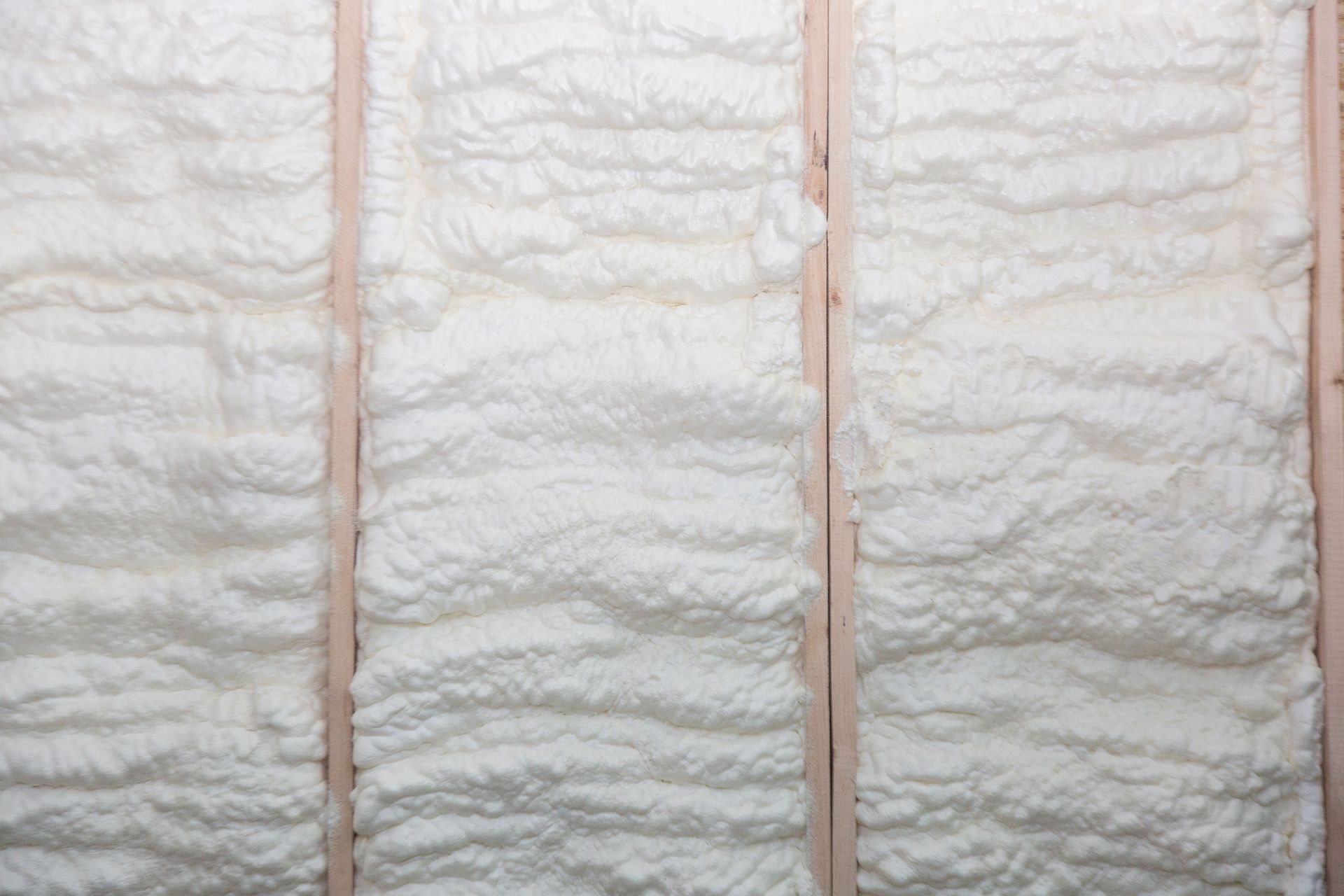
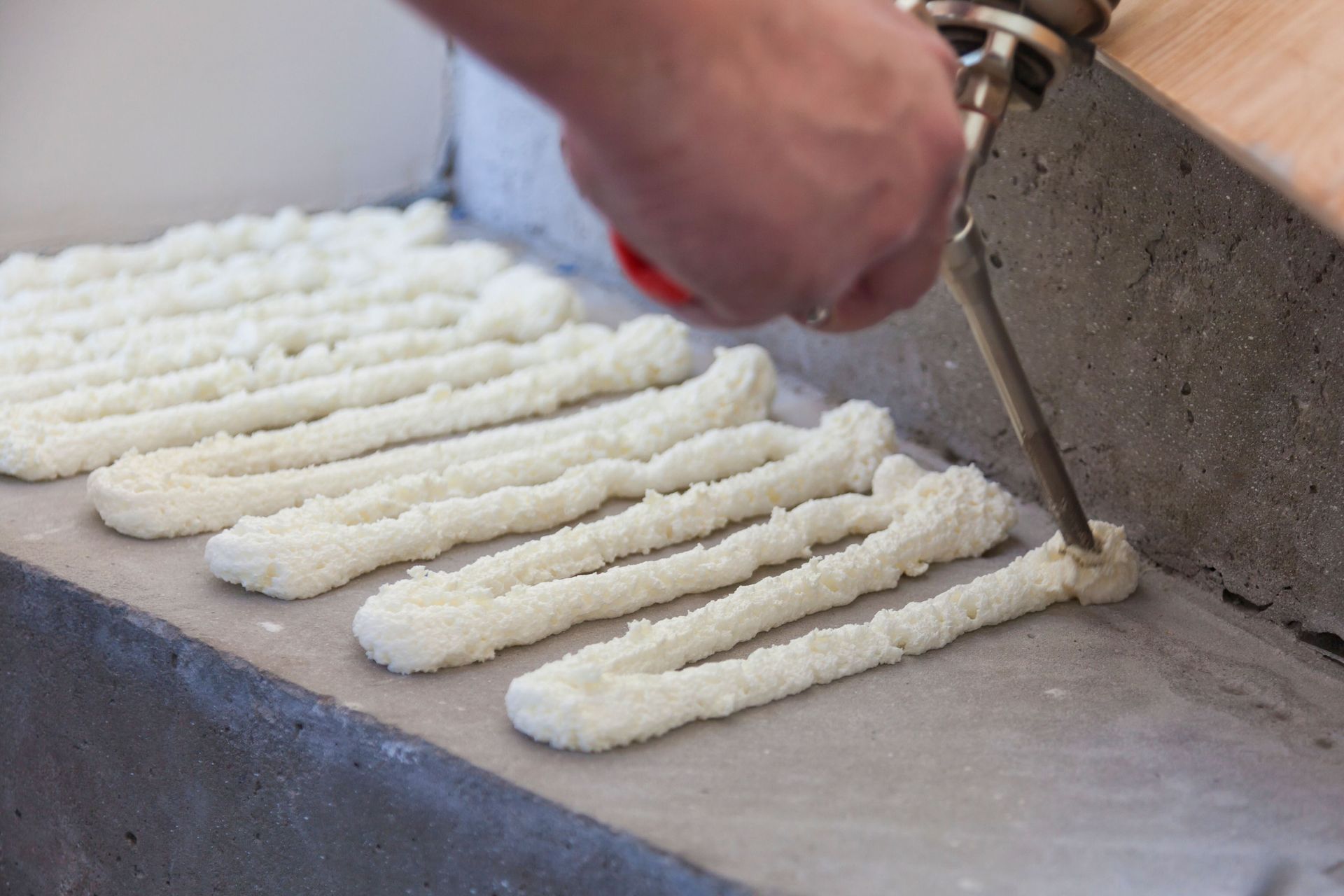
Spray foam insulation is a versatile material that provides a high-performance solution for thermal insulation in buildings. It is created by combining two chemicals that react and expand to form a closed or open cell structure. The foam is sprayed onto surfaces where it expands many times its original liquid volume, filling gaps and cavities. This expansion enhances the insulating properties and creates an effective air barrier. Its adaptability makes it suitable for various applications, from wall cavities to attic floors.
Types of Spray Foam: Open-Cell vs. Closed-Cell
Spray foam insulation comes in two primary forms: open-cell and closed-cell. Open-cell spray foam is less dense, providing a soft, flexible insulative layer that effectively reduces noise transmission. Closed-cell spray foam, on the other hand, is denser and more rigid, offering superior insulation with higher R-values. The R-value measures the thermal resistance of the insulation, with closed-cell foam offering R-values ranging from 3.5 to 7 per inch, according to HomeGuide. The choice between open-cell and closed-cell foam depends on the specific insulation needs and budget of the project.
The Chemical Composition of Spray Foam
The effectiveness of spray foam insulation stems from its unique chemical composition. It is comprised of polyol resin and isocyanate, which react to create a foam that expands in volume. The nature of this chemical reaction allows the foam to fill spaces and crevices more completely than other insulation types. The formulation of these chemicals can be adjusted to create open or closed-cell structures, impacting the foam's density, strength, and thermal resistance. This chemical adaptability gives spray foam its versatility and wide range of applications.
How Spray Foam is Applied
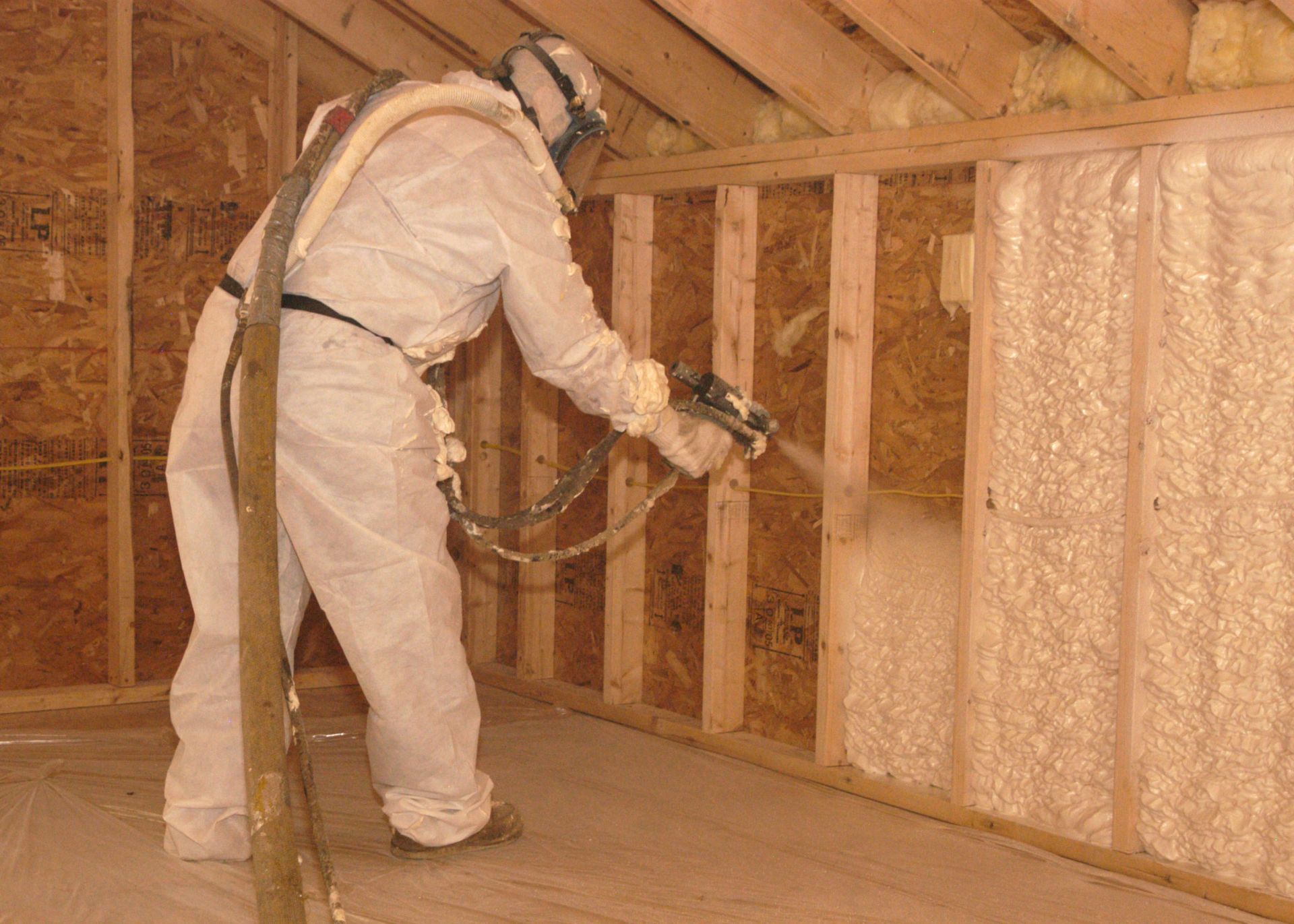
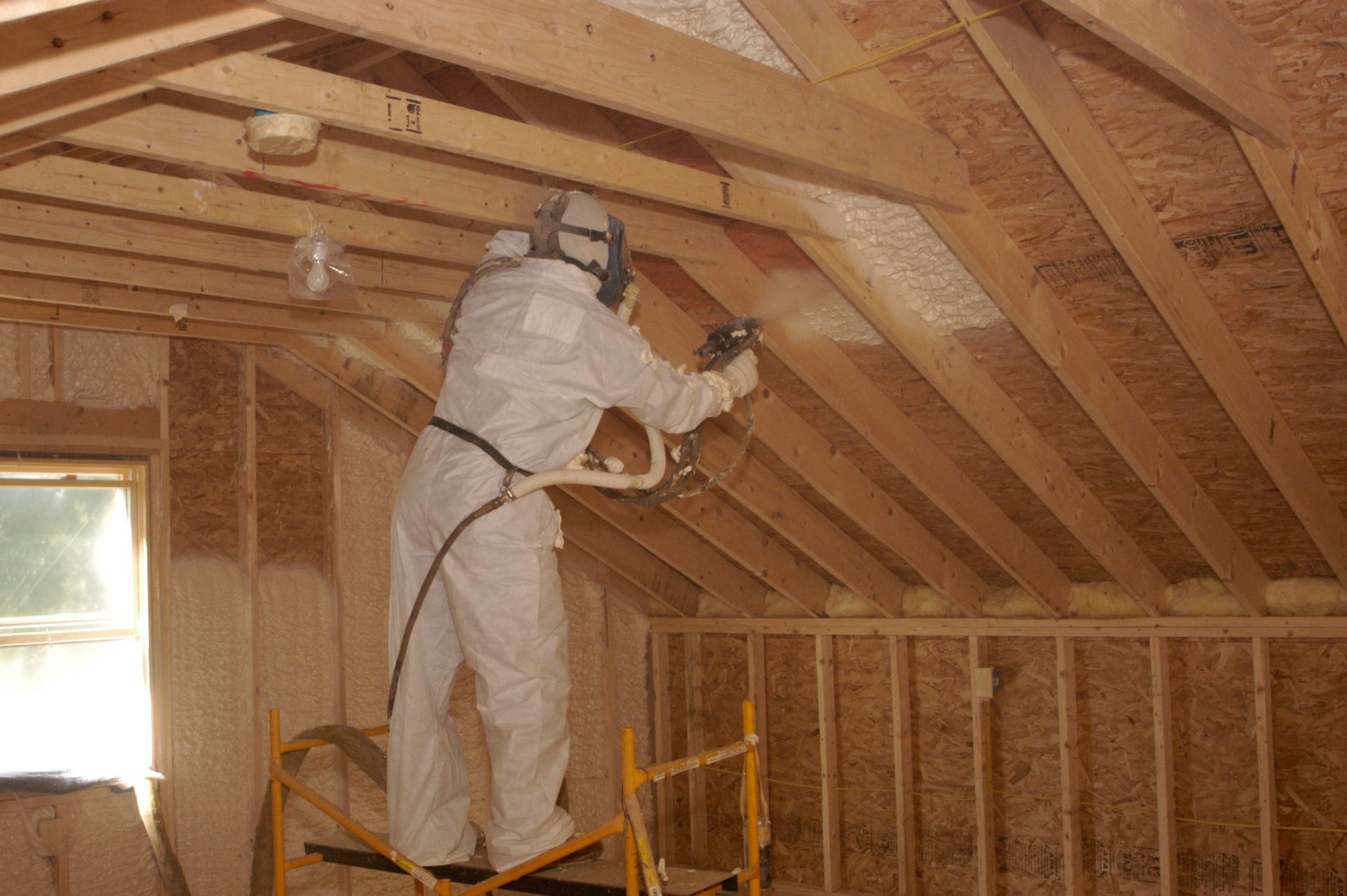
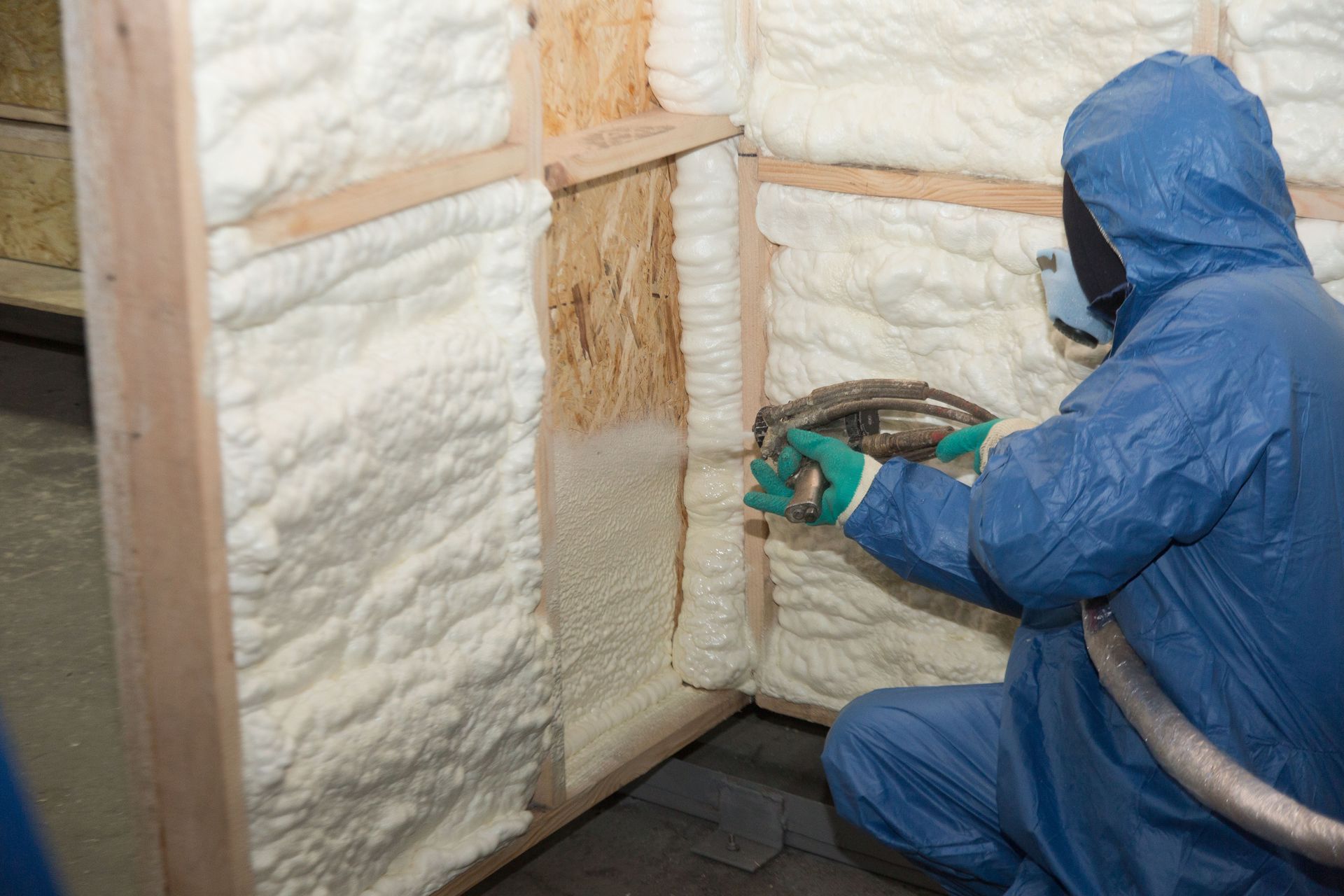
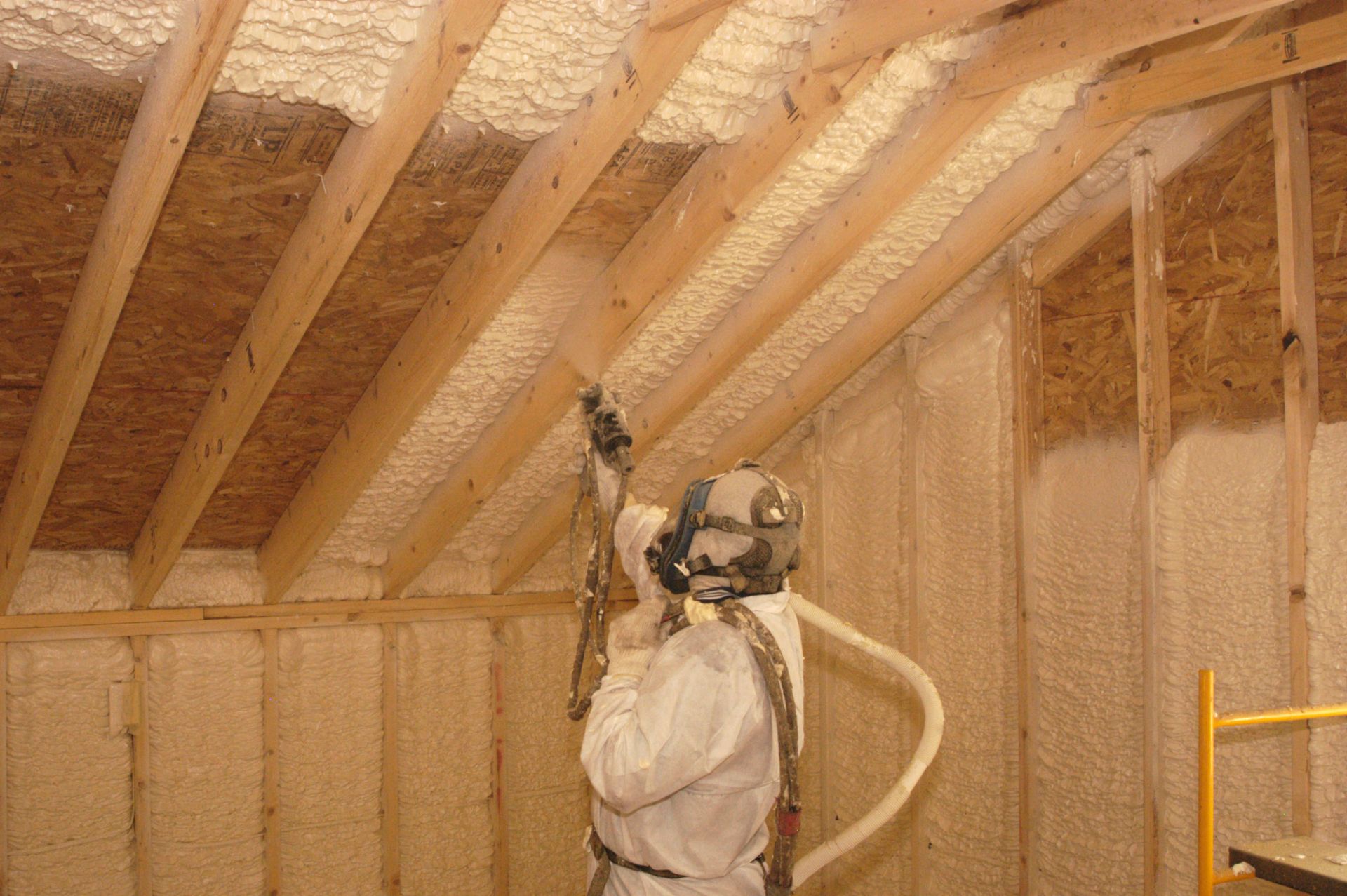
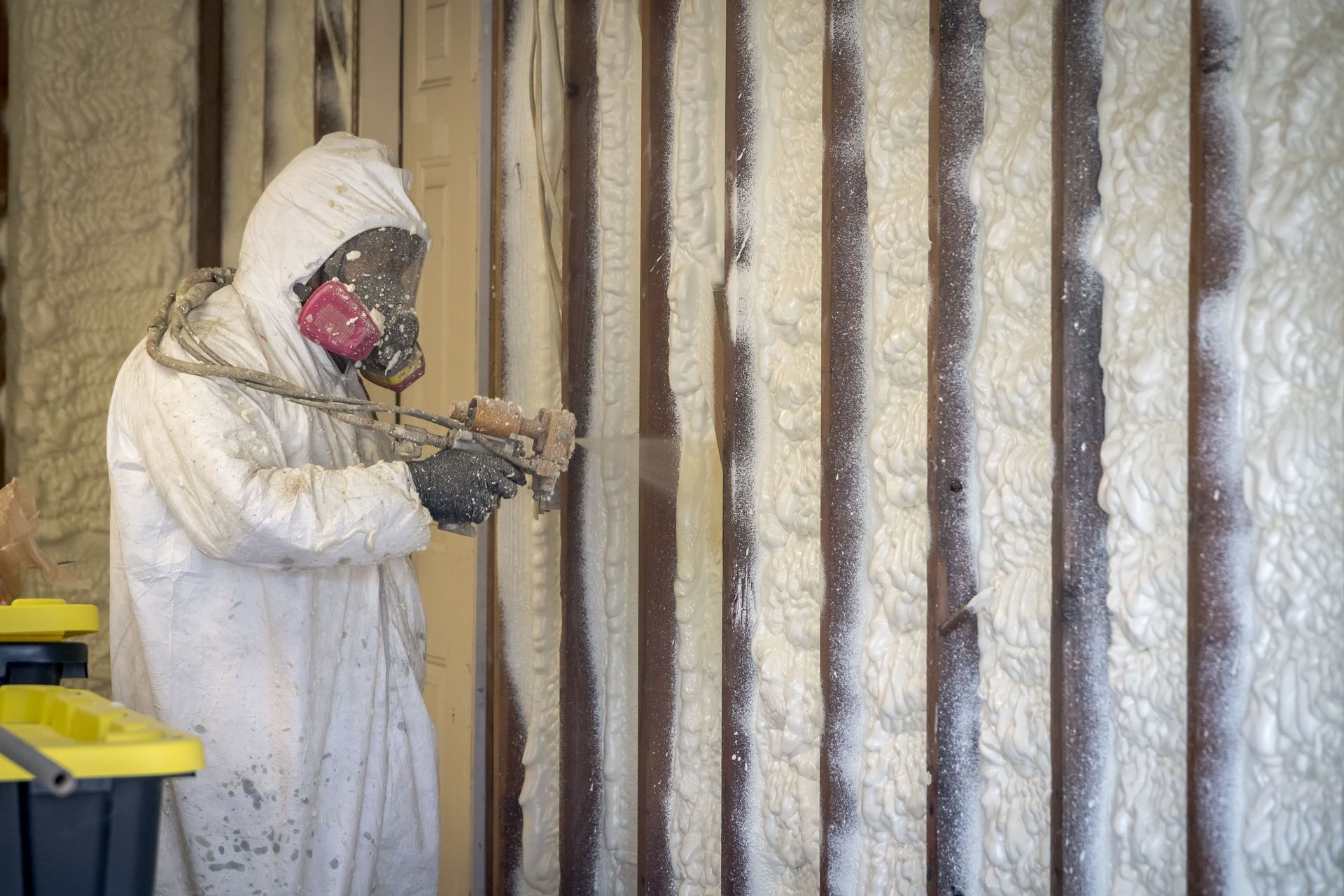
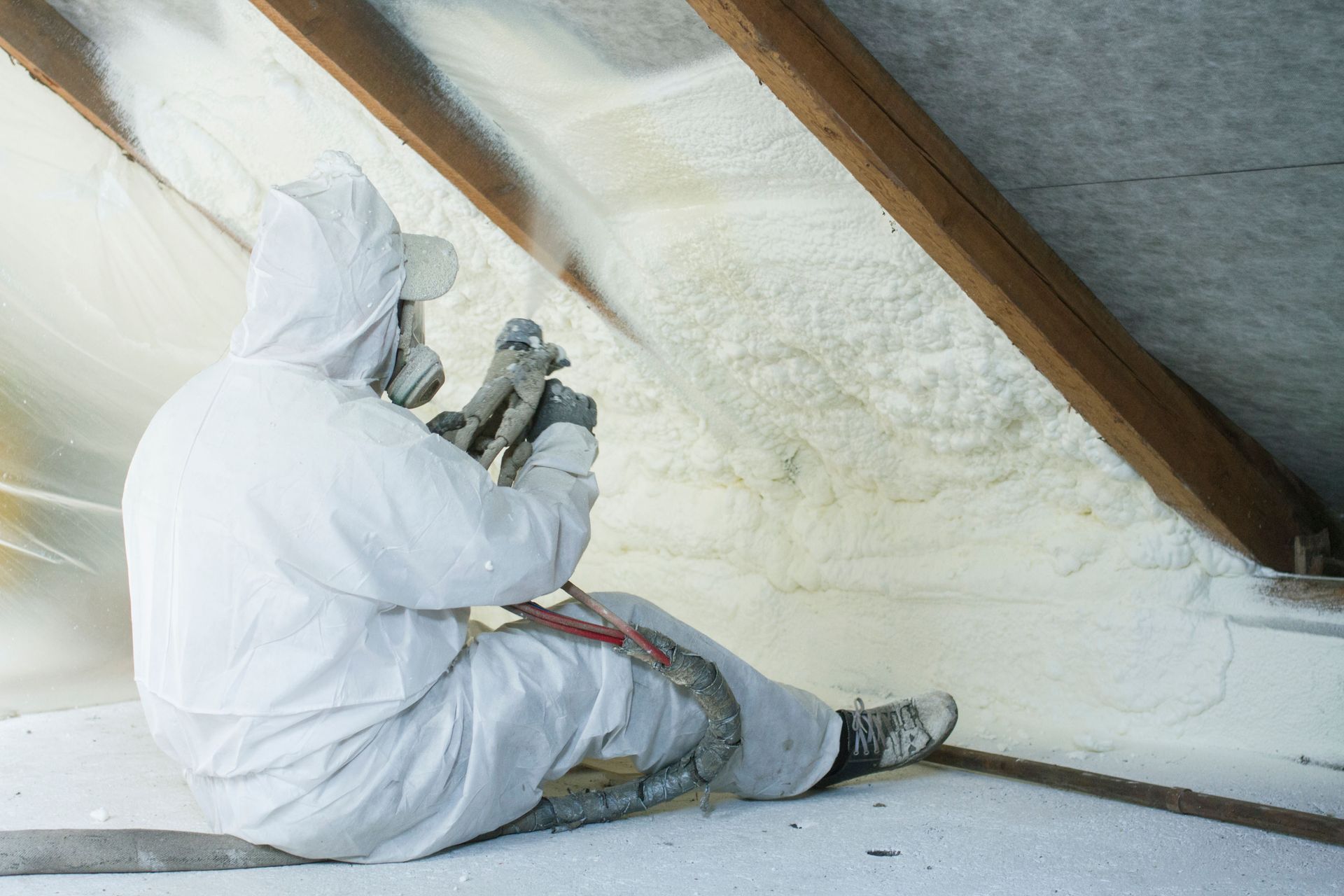
Spray foam insulation is applied by professionals who use specialized equipment to mix and spray the foam onto surfaces. As the foam is applied, it expands, filling cracks and voids, creating a seamless insulation layer. This application process is highly efficient and allows for coverage of irregularly shaped areas and hard-to-reach spots. The result is a continuous and effective barrier against heat loss and air leakage. Moreover, the quick expansion and setting time minimize construction delays and speed up the insulation process.
Differences from Traditional Insulation Methods
Unlike traditional insulation methods, such as fiberglass batts or cellulose loose-fill, spray foam provides a dual function of insulation and air sealing. Traditional insulation materials often leave gaps and require additional sealing products to achieve significant air barrier performance. Spray foam, however, inherently provides a robust barrier, reducing the reliance on additional components. This not only streamlines the installation process but also enhances the overall efficiency of the building's insulation system. Furthermore, the adaptability of spray foam to different building structures and the high R-values achievable with closed-cell spray make it a preferred choice for many modern constructions.
Thermal Performance and Energy Efficiency
Reducing Heat Transfer
Spray foam insulation significantly reduces heat transfer within structures, ensuring stable indoor temperatures. The foam forms a tight seal that minimizes thermal bridging—a common issue with other insulation types. This effect is particularly crucial in extreme climates where consistent indoor temperatures are necessary. By mitigating heat loss in winter and heat gain in summer, spray foam contributes to reducing the energy demand of HVAC systems. Consequently, this reduction translates into noticeable energy cost savings for homeowners and businesses.
The Role of R-Value in Insulation
The R-value is a measure of an insulation material's resistance to conductive heat flow. Higher R-values indicate better insulating effectiveness. Spray foam insulation, especially closed-cell, boasts high R-values, ranging from 3.5 to 7 per inch as noted by HomeGuide, depending on the product and manufacturer. This high R-value allows buildings to maintain comfortable indoor environments with lower energy consumption. The ability to achieve such high thermal resistance with relatively thin layers of insulation makes spray foam an attractive option for space-conscious applications.
Long-term Energy Savings
Investing in spray foam insulation can lead to substantial long-term energy savings. While the initial installation cost may be higher than traditional materials, the energy efficiency benefits quickly recoup this expense. Buildings with spray foam insulation often experience lower heating and cooling costs due to its superior thermal performance. Furthermore, the longevity of spray foam means it maintains its effectiveness over many years, continuously contributing to energy savings. Thus, spray foam represents a cost-effective investment in building energy efficiency.
Impact on Heating and Cooling Systems
By improving insulation, spray foam reduces the strain on heating and cooling systems. The minimized heat exchange lessens the workload for furnaces and air conditioners, potentially extending their lifespan and reducing maintenance costs. Buildings outfitted with spray foam insulation experience fewer temperature fluctuations, which allows for more consistent HVAC operations. This translates to enhanced comfort and reduced energy consumption throughout the year. As a result, many property owners notice significant reductions in their utility bills.
Air and Moisture Barrier Qualities
Preventing Air Leakage
One of the remarkable qualities of spray foam insulation is its ability to prevent air leakage, a common problem in many older buildings. Air leaks can significantly impact heating and cooling efficiency by allowing conditioned air to escape and unconditioned air to enter. Spray foam creates a continuous barrier that seals gaps and cracks, improving overall energy efficiency. This air-sealing capability is particularly beneficial in preventing drafts and maintaining a comfortable indoor environment. As a result, spray foam is a popular choice for improving the energy performance of retrofits and new constructions alike.
The Importance of Moisture Resistance
Moisture management is critical in preserving building integrity and indoor air quality. Spray foam's closed-cell structure offers excellent moisture resistance, preventing unwanted water infiltration. This resistance can protect against potential mold growth and structural damage associated with water intrusion. By managing moisture effectively, spray foam prolongs the integrity of the building envelope. This aspect is especially beneficial in humid climates and areas prone to heavy rainfall.
Integrating with Vapour Barriers
In certain applications, integrating spray foam insulation with vapor barriers enhances its moisture resistance capabilities. The combination creates a formidable barrier against water vapor diffusion, ensuring that interior spaces remain dry and comfortable. This integration is crucial in climates where high humidity levels could potentially compromise insulation performance. Moreover, by blocking both air and moisture movement, spray foam contributes to an airtight environment, which promotes effective climate control. This synergy makes it an invaluable component of a comprehensive building envelope strategy.
Enhancing Indoor Air Quality
Spray foam insulation contributes to enhanced indoor air quality by providing an effective seal against external pollutants and allergens. Through its air barrier capabilities, spray foam minimizes the infiltration of outdoor contaminants that can affect health and comfort. Moreover, properly installed spray foam does not release fibers or particles into the indoor air, unlike some traditional insulations. This lack of particulate emission makes it a suitable option for individuals with respiratory issues or allergies. Consequently, spray foam contributes to healthier indoor environments.
Spray foam insulation offers a multitude of benefits over traditional insulation methods, highlighted by its superior thermal performance, air and moisture barrier qualities, and soundproofing capabilities. The versatility of spray foam extends from residential homes to commercial spaces, making it a preferred choice for various applications. Its high R-value, excellent air sealing capabilities, and long-term durability ensure it remains an effective solution for energy efficiency improvements. Moving forward, innovations in spray foam technology may enhance performance even further, reinforcing its role in sustainable building practices. Ultimately, spray foam represents a wise investment for those seeking long-lasting insulation solutions. Reach out to Ultimate Spray Foam, LLC today to see how we can help you!
Share On: