
The Truth About Spray Foam Insulation: Common Myths Debunked
Spray foam insulation is a popular choice in modern construction for its superior thermal and air-sealing properties. However, several myths and misconceptions persist about its use, effectiveness, and safety. As experienced local spray foam insulation contractors, we will debunk six common myths about spray foam insulation, providing clarity and factual information for homeowners and builders alike.
Spray Foam Insulation is Toxic and Unsafe
Many homeowners express concerns about the safety and toxicity of spray foam insulation. Understanding the composition of spray foam is crucial to addressing these worries. Made from polyurethane and isocyanates, it forms a protective layer once cured, effectively reducing any risk of toxicity. It's important to highlight that while the chemicals used in the application have inherent risks, once fully cured, the foam becomes inert and safe. The manufacturing standards for spray foam ensure that it's non-toxic when properly installed and maintained in accordance with safety guidelines.
The safety of spray foam insulation is governed by stringent industry standards and safety regulations. Organizations such as the Environmental Protection Agency (EPA) and the Occupational Safety and Health Administration (OSHA) oversee compliance with safety standards in the manufacturing and installation processes. Installers must follow these standards to minimize any potential health risks. When installed correctly, spray foam insulation does not contribute to indoor air pollution and is regarded as a safe product. Moreover, reputable manufacturers provide certificates of compliance to verify the safety of their products.
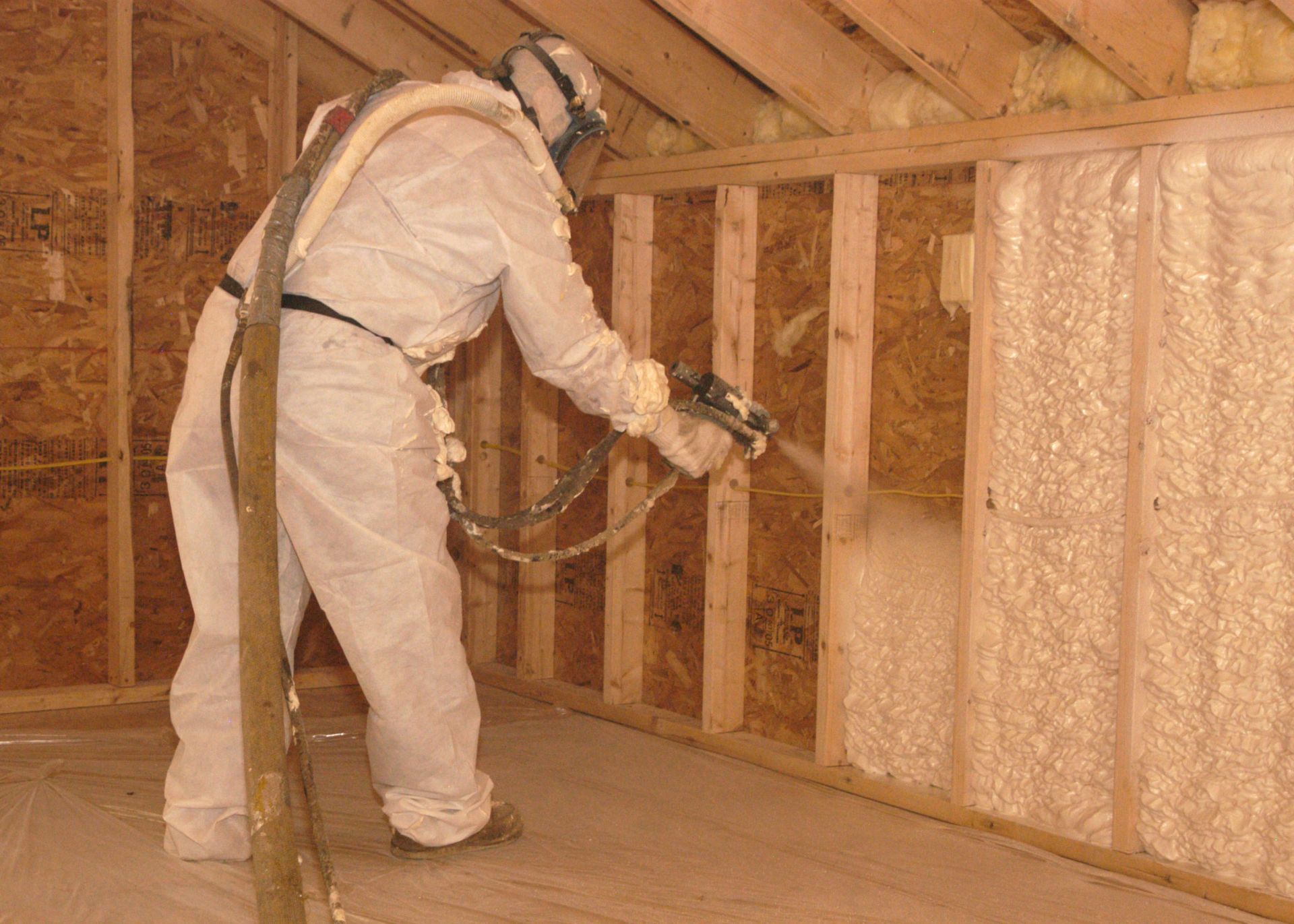
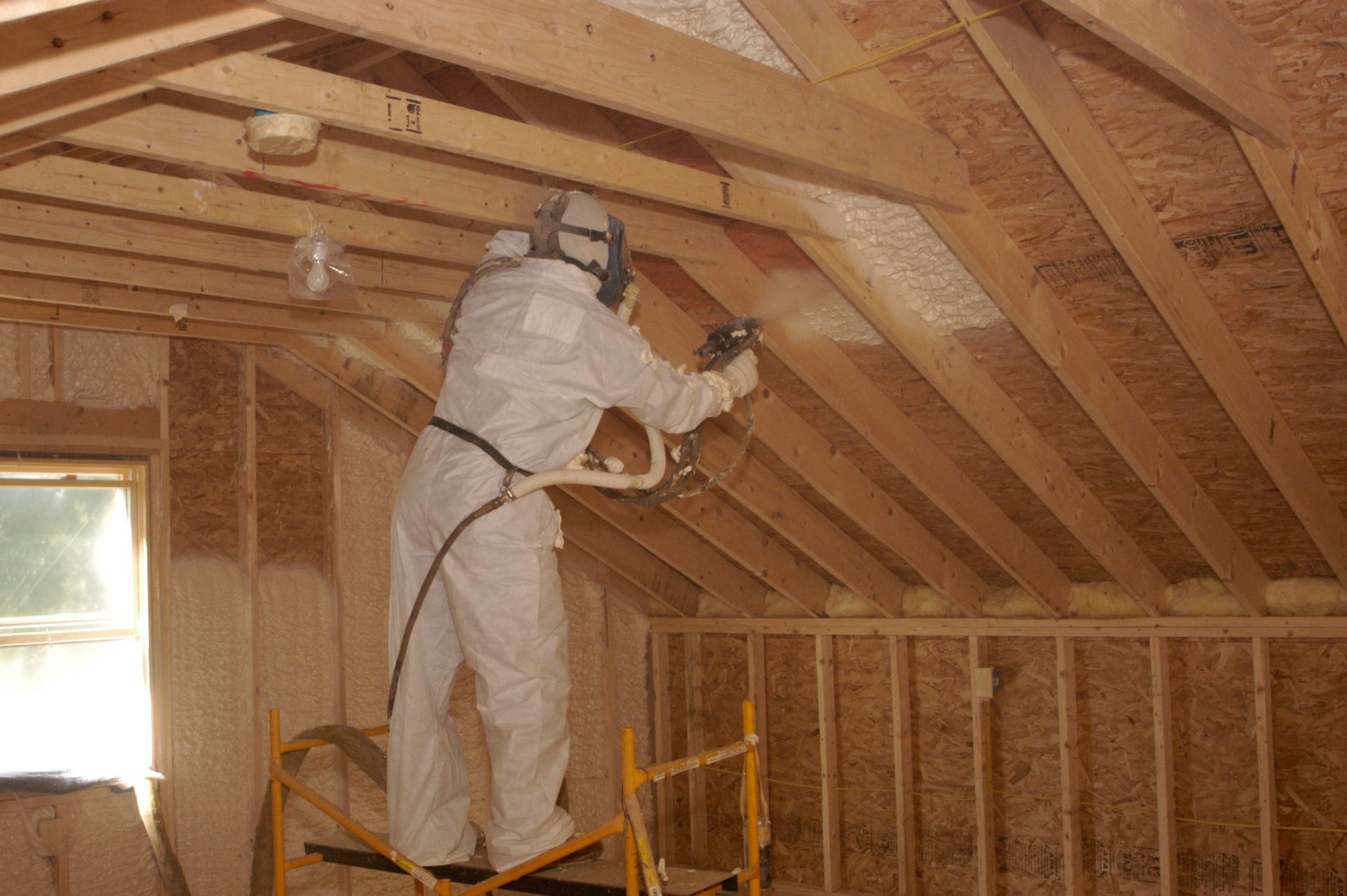
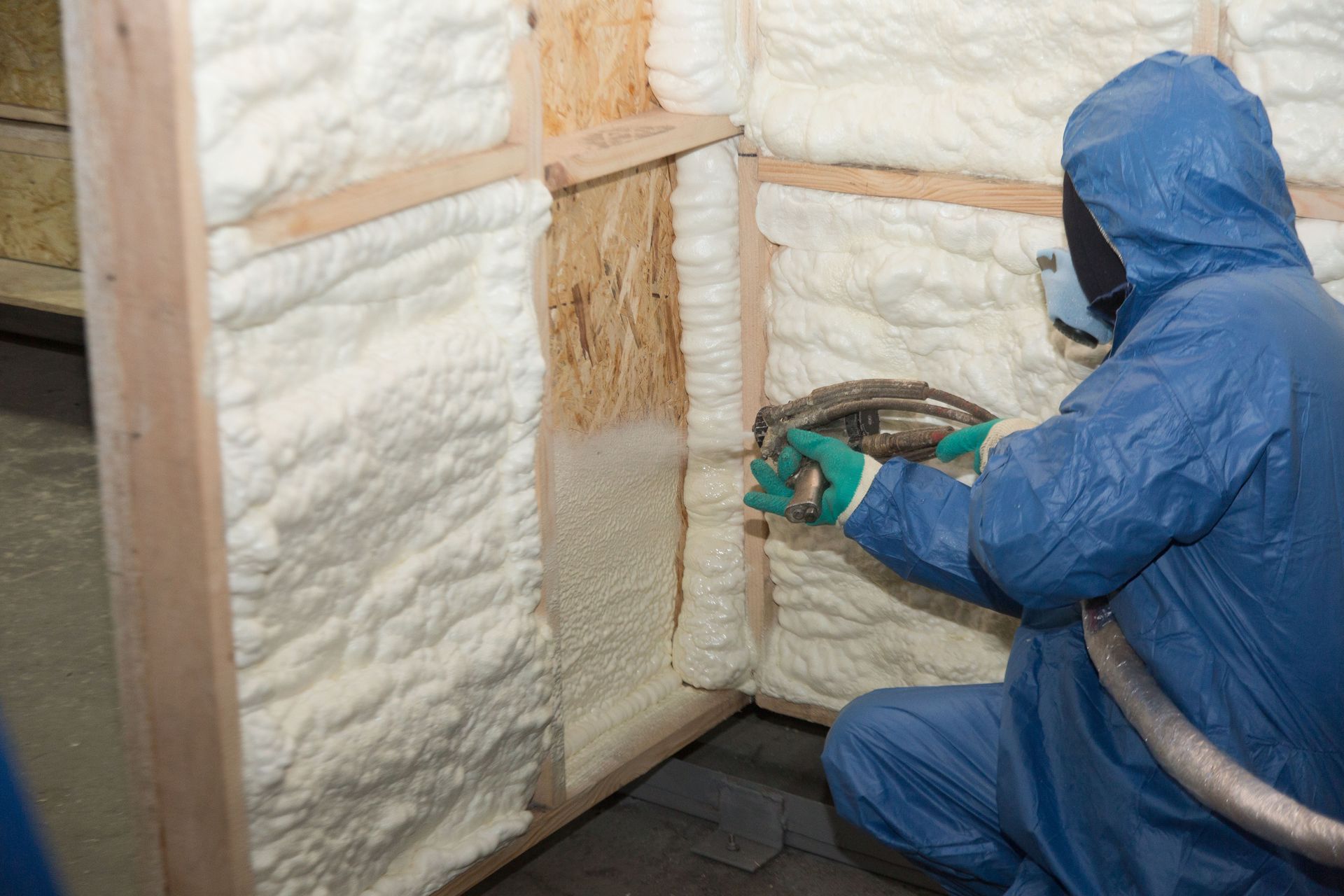
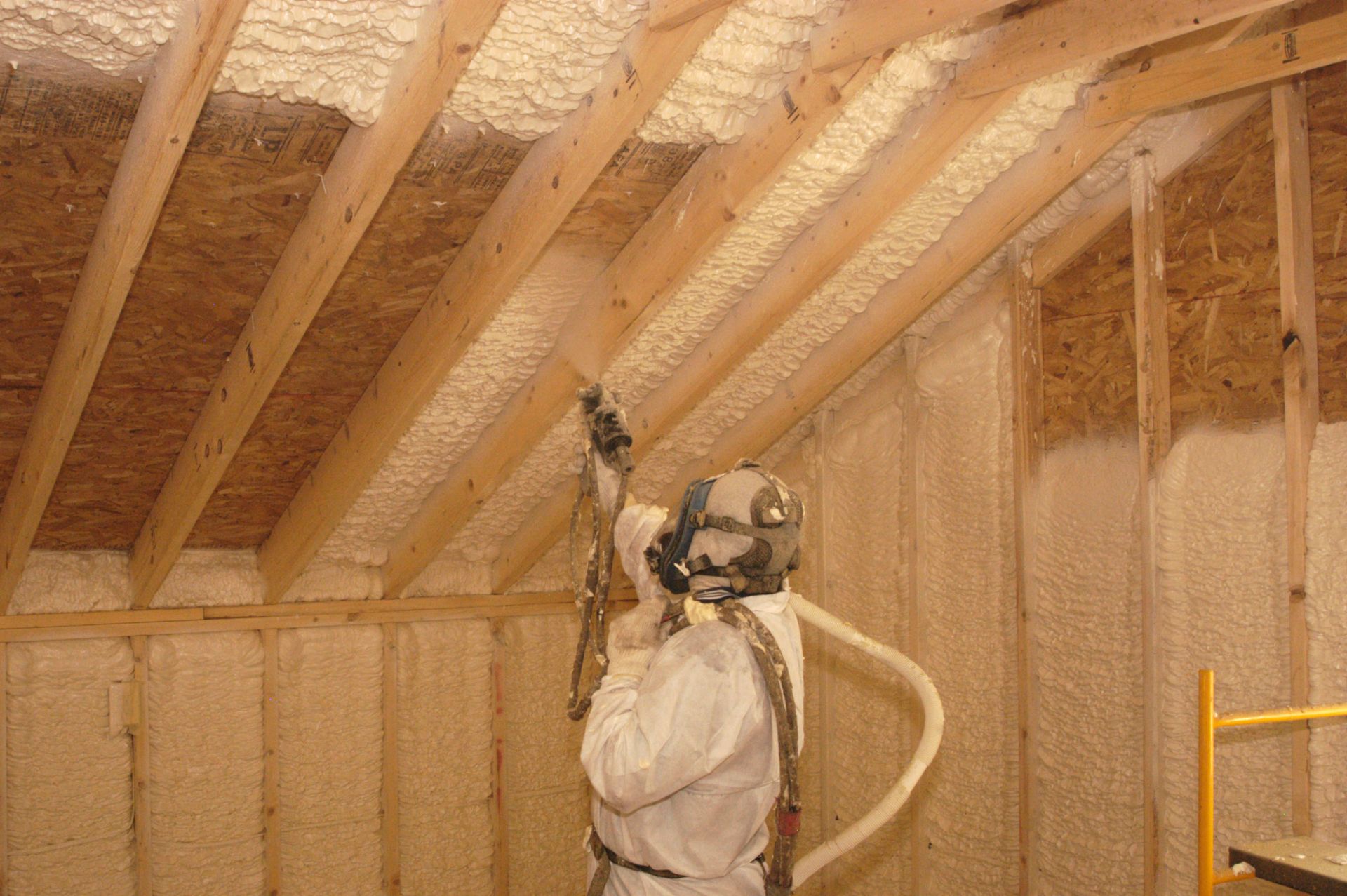
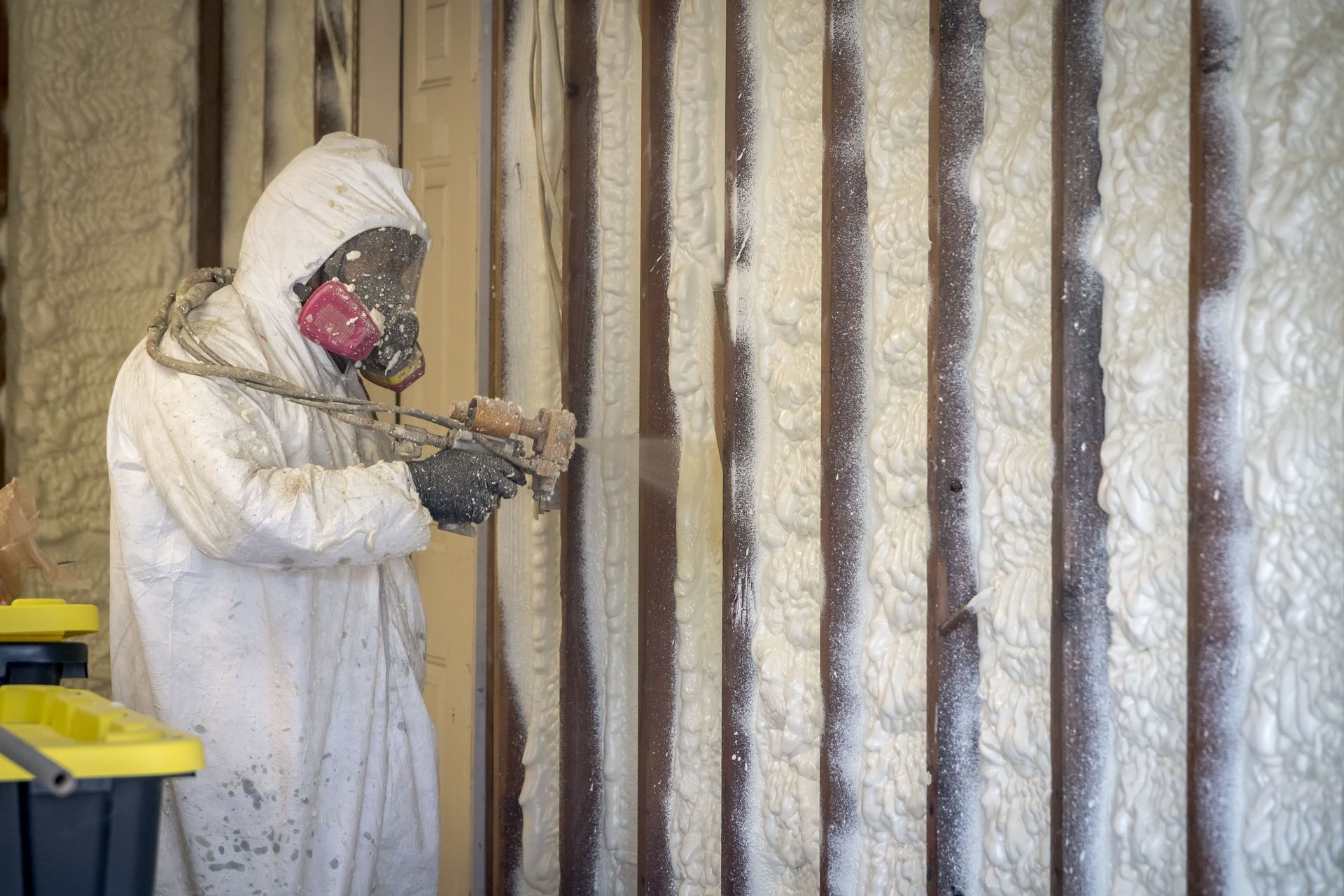
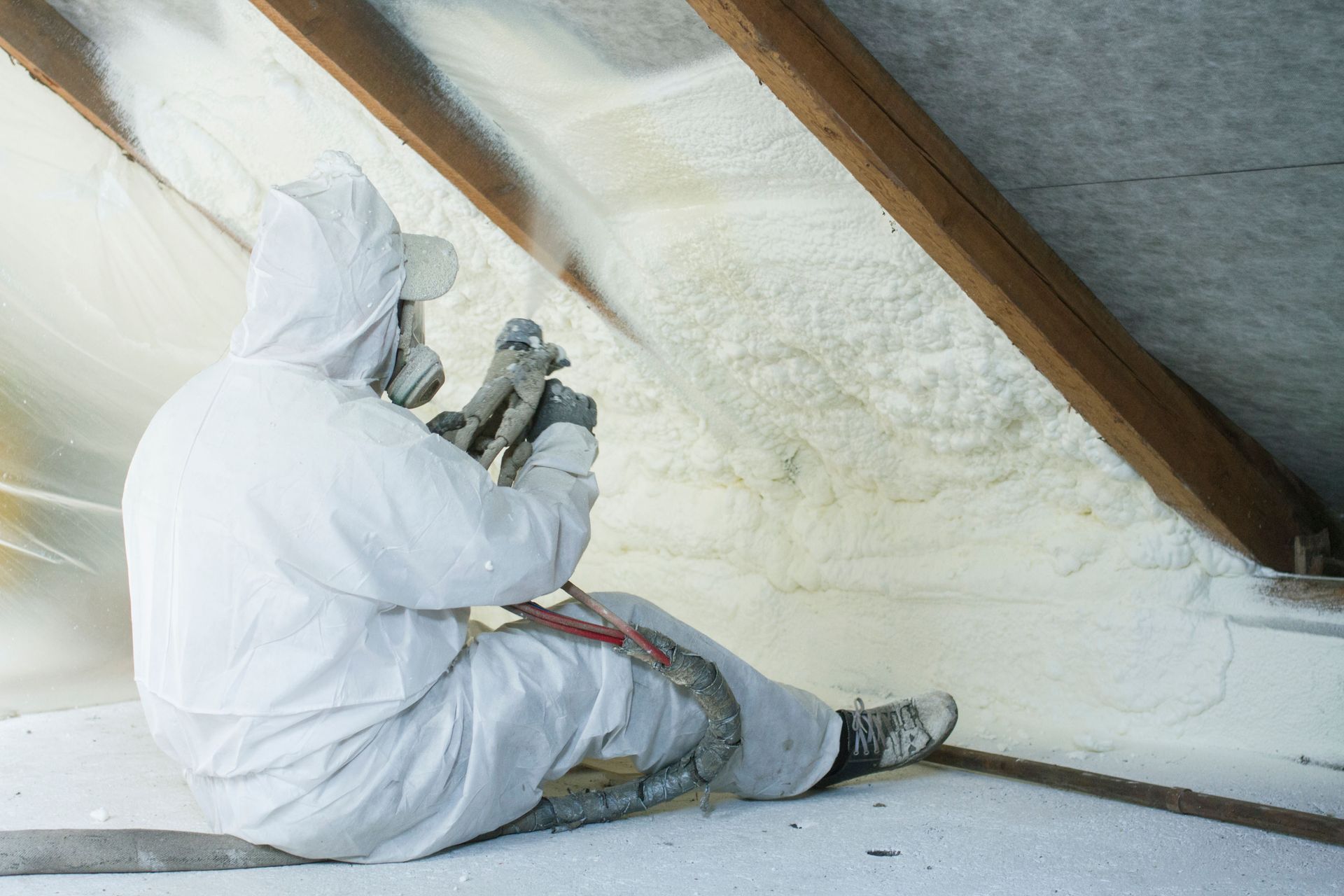
Safety precautions during installation significantly mitigate any potential risks associated with spray foam insulation. Installers typically wear protective gear and ensure adequate ventilation during the application process to prevent inhalation of fumes. As local spray foam insulation contractors, we recommend homeowners remain outside the premises during installation and wait until the foam is fully cured, usually 24 to 48 hours.
Spray Foam Insulation is Too Expensive
A common misconception is that spray foam insulation is unaffordable due to its upfront cost. While the initial investment may be higher compared to other insulation types, it's critical to consider the long-term savings it provides. Spray foam insulation offers superior thermal resistance (R-value) and creates an effective air barrier that significantly reduces energy losses. Over time, these attributes result in substantial savings on heating and cooling costs. Furthermore, the reduced energy consumption contributes to a smaller carbon footprint, aligning financial savings with environmental benefits.
Comparing spray foam with other insulation types reveals a competitive advantage in terms of financial efficiency. Traditional materials such as fiberglass or cellulose may cost less initially, but they often require more frequent replacement and maintenance. Spray foam, on the other hand, lasts longer and provides a consistent insulating barrier over its lifespan. According to Fixr, applying spray foam at the right depth—at least 6 inches for closed-cell and 7 inches for open-cell insulation, with depths up to 12 inches being common—can significantly reduce thermal transfer. This depth application enhances its value by improving energy efficiency and reducing potential replacements.
The return on investment from spray foam insulation extends beyond monthly utility savings. Many regions offer financial incentives and rebates for energy-efficient home improvements, which can offset initial costs. These incentives, combined with the energy savings, translate into a compelling financial case for spray foam. Additionally, spray foam insulation can boost property value due to enhanced energy efficiency, appealing to energy-conscious buyers. The improved indoor comfort and stable utility costs make properties with spray foam insulation more attractive in the real estate market.
Spray Foam Insulation is Not Environmentally Friendly
Concerns about the environmental impact of spray foam insulation often stem from misunderstandings about its components and production process. The raw materials used in spray foam, such as polyol and isocyanates, are carefully sourced to ensure minimal environmental impact. Many manufacturers have shifted toward using bio-based products and recycled materials, which enhance the sustainability of the end product. The long lifespan and durability of spray foam also mean fewer resources are used over time, reducing the overall ecological footprint compared to less durable insulation types.
Spray foam insulation contributes to energy efficiency and carbon footprint reduction. Its superior insulating properties mean that homes require less energy for heating and cooling, translating into lower carbon emissions. Over the lifetime of a building, these energy savings can significantly reduce the environmental impact. In fact, the energy conserved through effective insulation often offsets the carbon footprint created during production within a few years. This makes spray foam a viable choice for environmentally conscious homeowners and builders looking to enhance energy efficiency.
Recyclability and lifespan are two key factors that highlight the environmentally friendly nature of spray foam insulation. Products with a longer lifespan naturally require less frequent replacement, reducing waste. While spray foam insulation is not traditionally recyclable in the same way as some other materials, advancements in technology are improving its recyclability. Furthermore, compared to other insulating materials, spray foam creates a more airtight seal, reducing the likelihood of air leaks and moisture infiltration, thus prolonging the life of the building envelope. Proper installation practices further support these benefits by ensuring sustainable performance over the insulation's lifespan.
Spray Foam Insulation Leads to Moisture Problems
Some detractors argue that spray foam insulation exacerbates moisture problems, but this view overlooks the science of its moisture barrier properties. Spray foam creates a seamless, airtight barrier that effectively prevents moisture intrusion. Unlike fiberglass or other porous materials, it adheres to surfaces and fills gaps, minimizing air leaks and thermal bridging where condensation can occur. Its low permeability means that in most applications, it acts as a vapor barrier, helping to control humidity levels within a structure. Proper installation ensures these benefits are realized, mitigating potential moisture issues that can lead to mold and structural damage.
The proper installation of spray foam insulation is paramount to preventing moisture-related issues. Improperly applied foam can lead to gaps or insufficient coverage, allowing moisture infiltration. Experienced, certified professionals use meticulous procedures to apply the foam, ensuring comprehensive coverage and adherence. This process involves applying the foam to the correct depth and ensuring it cures properly, thus sealing off potential moisture entry points. By adhering to these installation protocols, professional applicators help to maintain the integrity of the building envelope and avoid moisture-related problems.
Case studies on moisture control further validate the effectiveness of spray foam insulation. In various climates, spray foam has demonstrated its ability to prevent moisture accumulation, outperforming traditional insulation materials. Its strong adherence to building materials prevents air and moisture from penetrating, maintaining a stable indoor environment. Regular maintenance and inspections also ensure sustained performance. By examining these real-world applications, the misconception of spray foam leading to moisture problems is conclusively debunked, emphasizing the importance of professional installation and proper building practices for moisture management.
Spray Foam Insulation Does Not Perform Well in Extreme Temperatures
A prevalent myth is that spray foam insulation falters under extreme temperature conditions. This misconception likely arises from confusion with other insulation materials that cannot handle such temperature variances. Spray foam, when applied to the correct depth, boasts superior thermal resistance, providing consistent performance across a wide range of temperatures. Its insulation capabilities reduce thermal transfer during both hot and cold weather, maintaining comfortable indoor temperatures. This reliability is particularly advantageous in climates with extreme temperature fluctuations, ensuring energy efficiency and comfort are preserved year-round.
Extensive testing in various climates confirms the reliability of spray foam insulation in extreme temperatures. Comparative studies show that spray foam insulation outperforms traditional materials in retaining conditioned air within the building envelope. This is achieved through its high R-value coupled with its moisture-resistant properties, which contribute to its insulating superiority. In both arctic winters and blazing summers, spray foam proves effective in minimizing heat transfer. Assets with spray foam insulation demonstrate reduced heating and cooling loads, further affirming its efficacy in extreme temperature scenarios.
Spray foam insulation, while shrouded in myths, stands as a highly effective and beneficial insulation choice for homes and buildings. Through the examination of these myths, we now understand that it is a safe, cost-effective, eco-friendly, and efficient solution. Proper professional installation and adherence to industry standards ensure optimal performance and resilience, making it a wise investment for those seeking energy efficiency and improved indoor comfort. For
local spray foam insulation contractors you can count on, contact Ultimate Spray Foam, LLC today.
Share On: