
Top Questions Homeowners Ask About Spray Foam Insulation
Homeowners often have questions before choosing insulation for a new construction project, renovation, or energy-efficiency upgrade. Insulation plays an important role in helping a home maintain comfortable indoor temperatures throughout the year. However, not every insulation material performs the same way or suits every property. Spray foam insulation has become a popular option because it can expand into gaps, seal cracks, and create a more continuous barrier around the building envelope. These qualities can make it useful in attics, walls, crawl spaces, basements, and other areas where air movement may affect comfort and energy use. Many homeowners still want to know how the material works, where it should be installed, and whether it is a practical choice for their homes.
How Does Spray Foam Insulation Work?
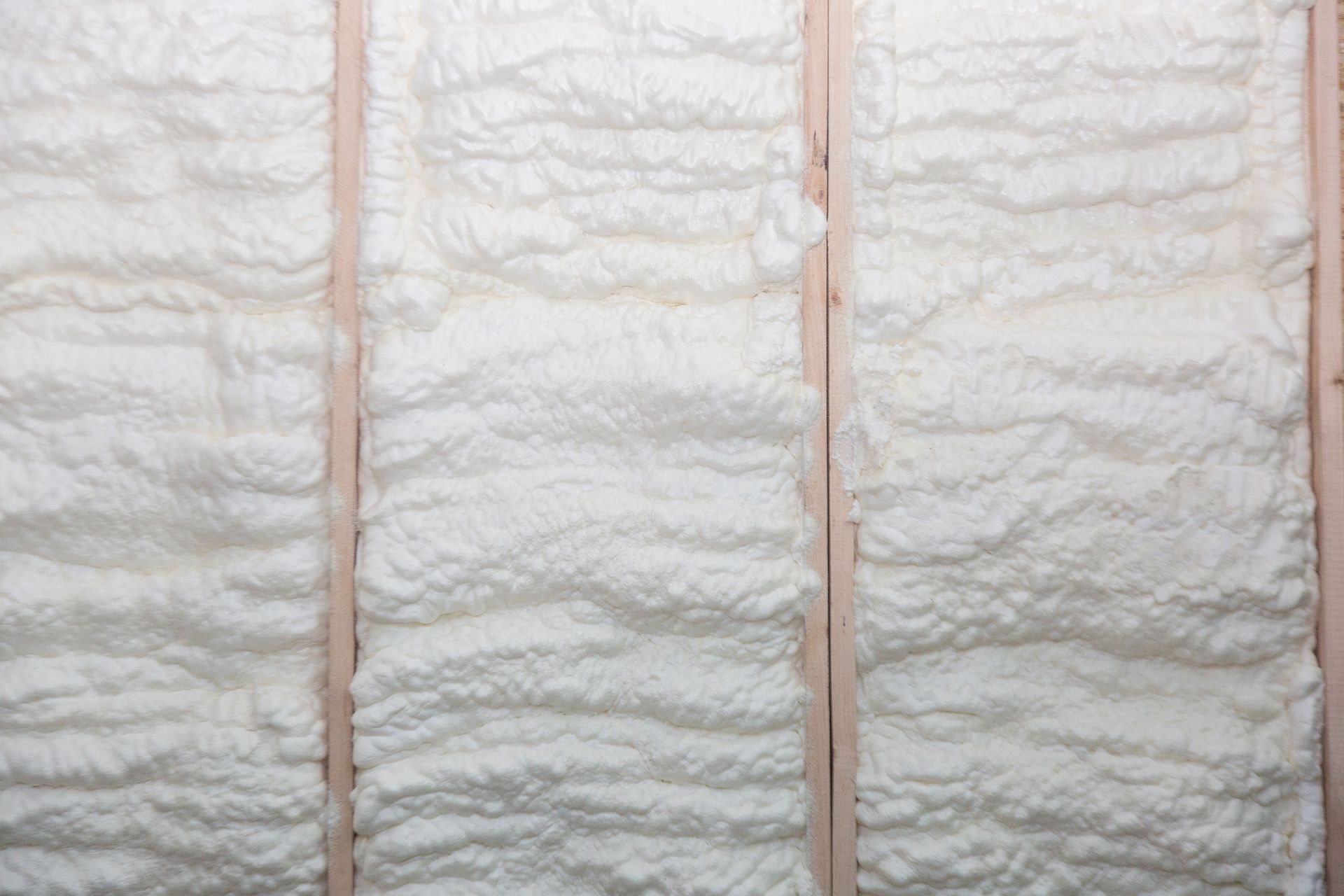
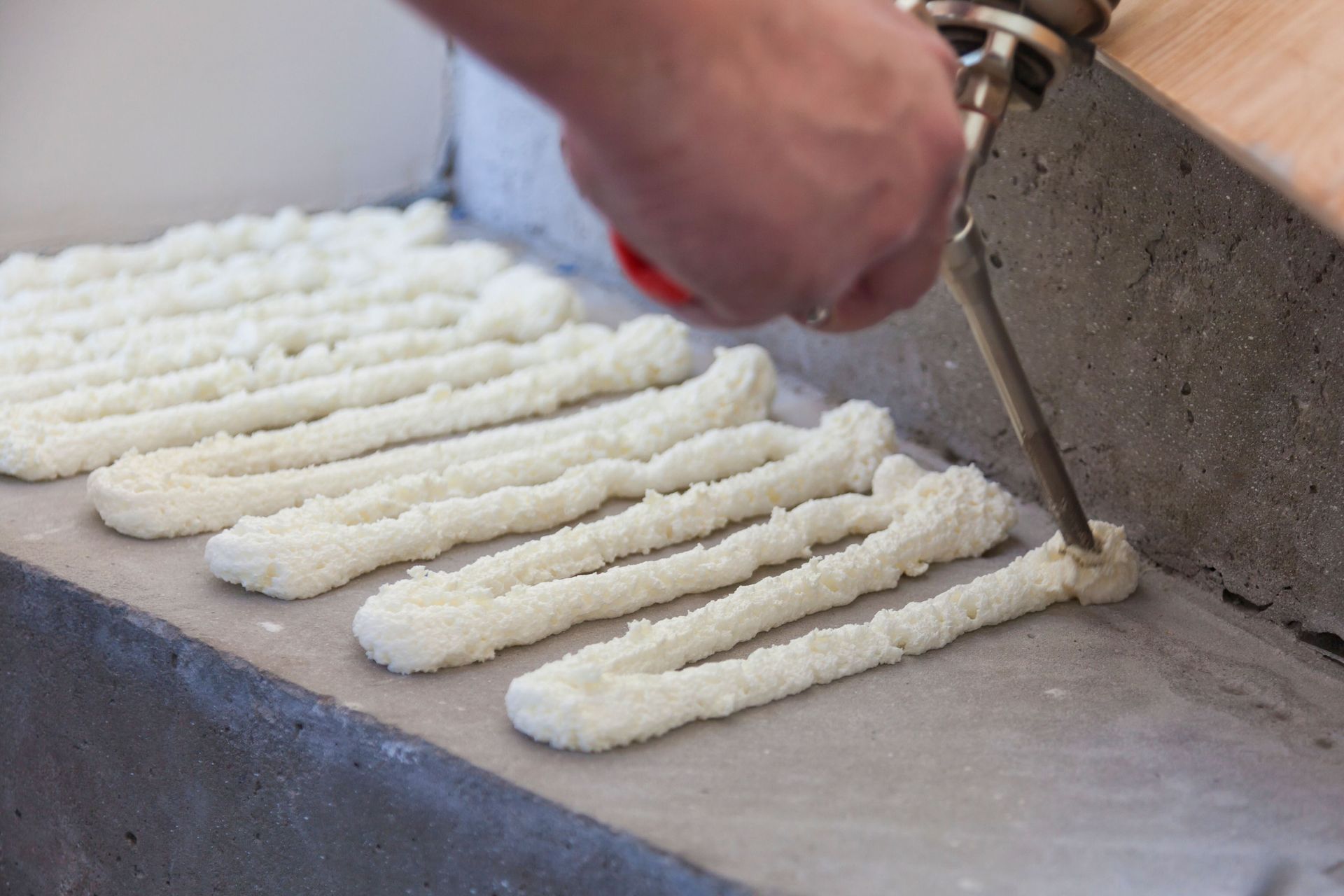
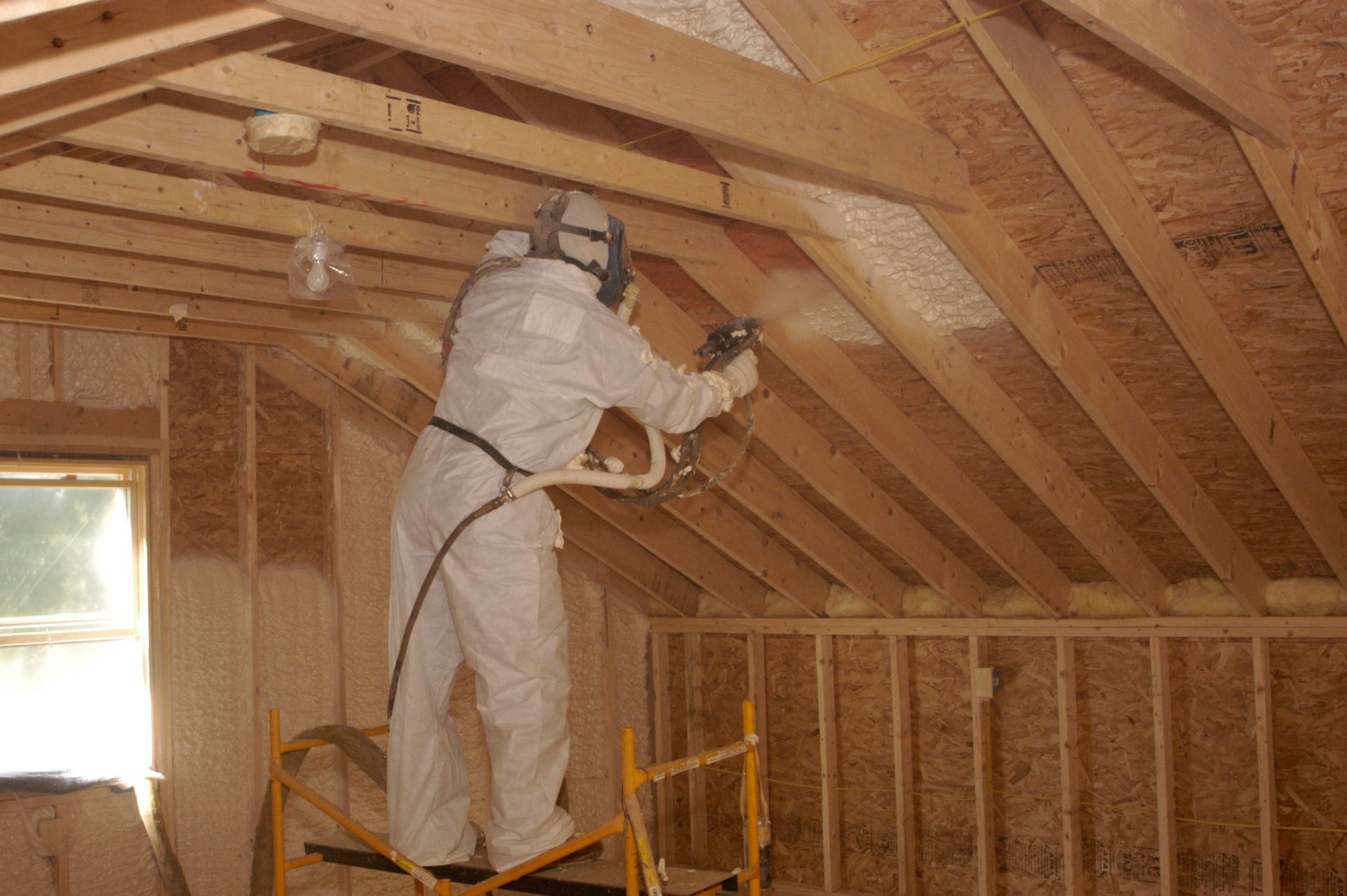
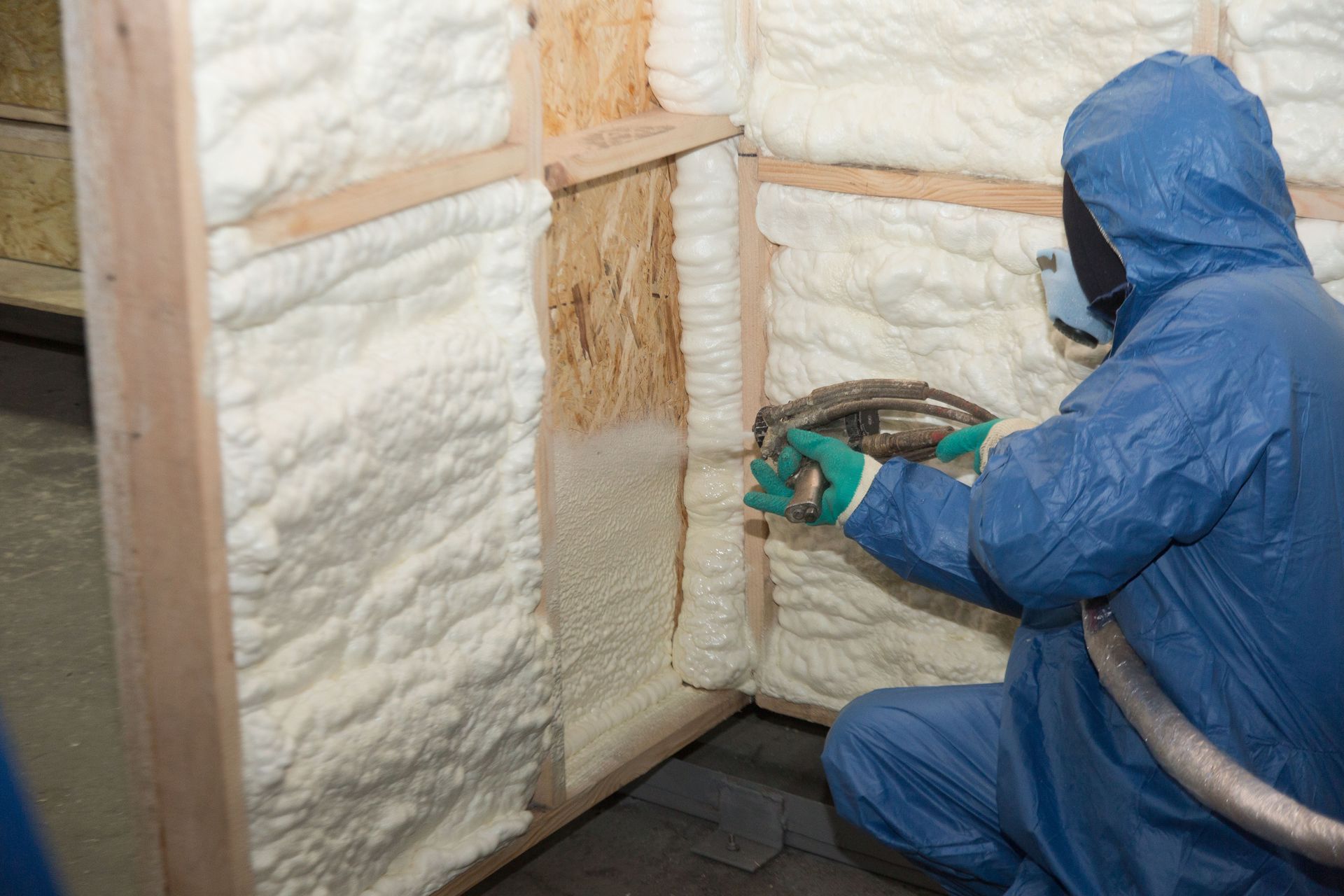
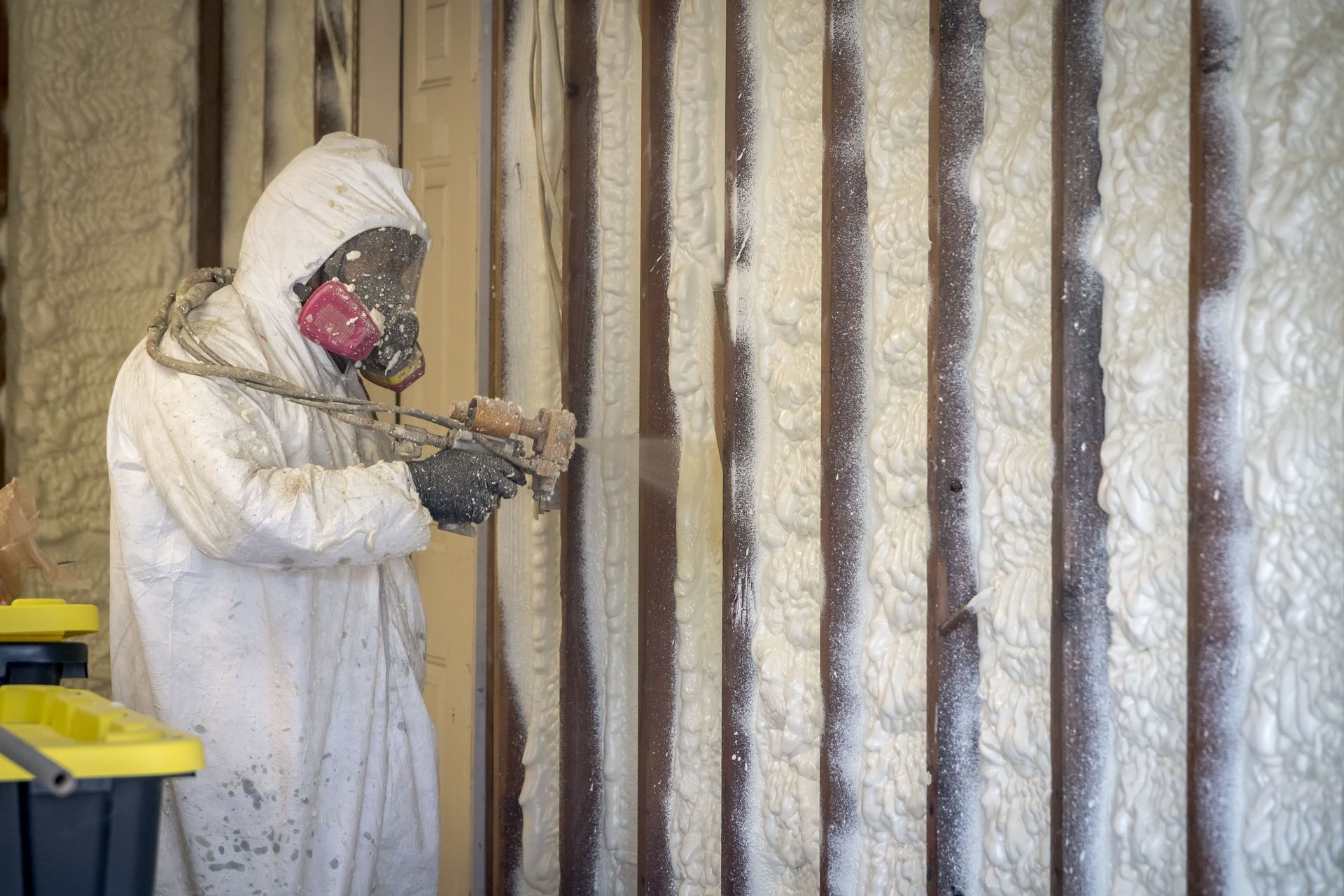
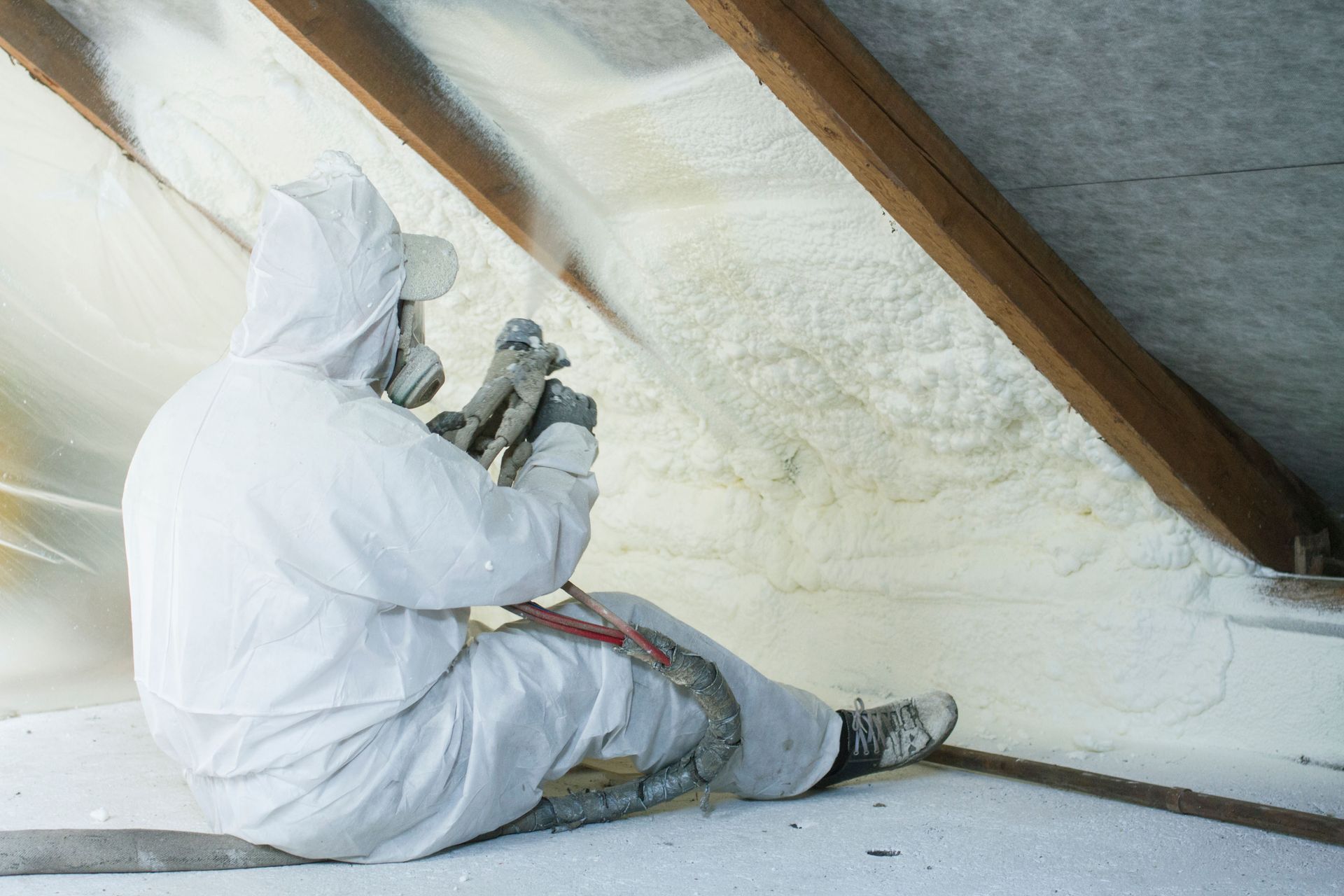
Spray foam insulation is created when two liquid components combine and expand after application. As the material expands, it fills cracks, gaps, and spaces that may otherwise allow air to move through the building envelope. This expansion allows the insulation to cover irregular areas that can be difficult to seal with traditional materials. The foam then hardens into a durable layer that can help reduce unwanted air movement. Depending on the type selected, spray foam may also help control moisture movement and improve the overall performance of an insulated area. Professional installation is important because the material must be applied correctly to achieve consistent coverage. An experienced local spray foam insulation contractor can identify areas where air leakage may be occurring before beginning the work. Proper preparation and application can help homeowners get more consistent results from their insulation investment.
What Are the Main Types of Spray Foam?
The two primary categories of spray foam insulation are open-cell and closed-cell foam. Open-cell foam has a softer structure and expands significantly, allowing it to cover larger areas with a lightweight material. Closed-cell foam is denser and more rigid, which can provide different performance characteristics in certain applications. The right option depends on the location being insulated, the goals of the project, and the conditions of the property. Homeowners should consider factors such as available space, moisture exposure, desired air sealing, and the existing construction. Because every home has different insulation needs, one type should not automatically be considered appropriate for every project. A local spray foam insulation contractor can explain how the two options differ and recommend a solution based on the structure. Discussing the project in detail can help ensure the selected material aligns with the homeowner's long-term goals.
Can Spray Foam Improve Home Comfort?
Uneven indoor temperatures are often connected to air leakage and inadequate insulation in parts of the home. Spray foam can help reduce the movement of outdoor air through gaps around walls, ceilings, roofs, and other areas. By limiting unwanted drafts, insulation may contribute to more consistent temperatures from room to room. This can be especially helpful in areas that are difficult to insulate with standard materials. Homeowners may notice improved comfort in rooms that previously felt unusually hot or cold. The results can depend on the condition of the structure, the amount of insulation installed, and the performance of the home's heating and cooling system. According to Bob Vila, spray foam can be up to 50% more effective than many insulation alternatives, highlighting why some homeowners consider it for improving the building envelope. A local spray foam insulation contractor can assess problem areas and determine whether spray foam may help address comfort concerns.
Can Spray Foam Help Reduce Energy Waste?
A home's heating and cooling system may need to work harder when conditioned air escapes through gaps in the building envelope. Insulation and air sealing can help reduce some of the pathways that allow indoor air to move outside. By creating a more continuous barrier, spray foam may help improve the efficiency of insulated areas. This does not mean insulation alone will eliminate energy costs or solve every efficiency problem in a home. Windows, doors, ductwork, appliances, HVAC equipment, and other building components can also affect overall energy performance. A comprehensive evaluation can help identify whether insulation improvements should be part of a broader efficiency plan. Homeowners may benefit from discussing their goals with a local spray foam insulation contractor before selecting a material or installation area. Understanding how the insulation interacts with the rest of the home can lead to more practical improvement decisions.
Where Can Homeowners Install Spray Foam?
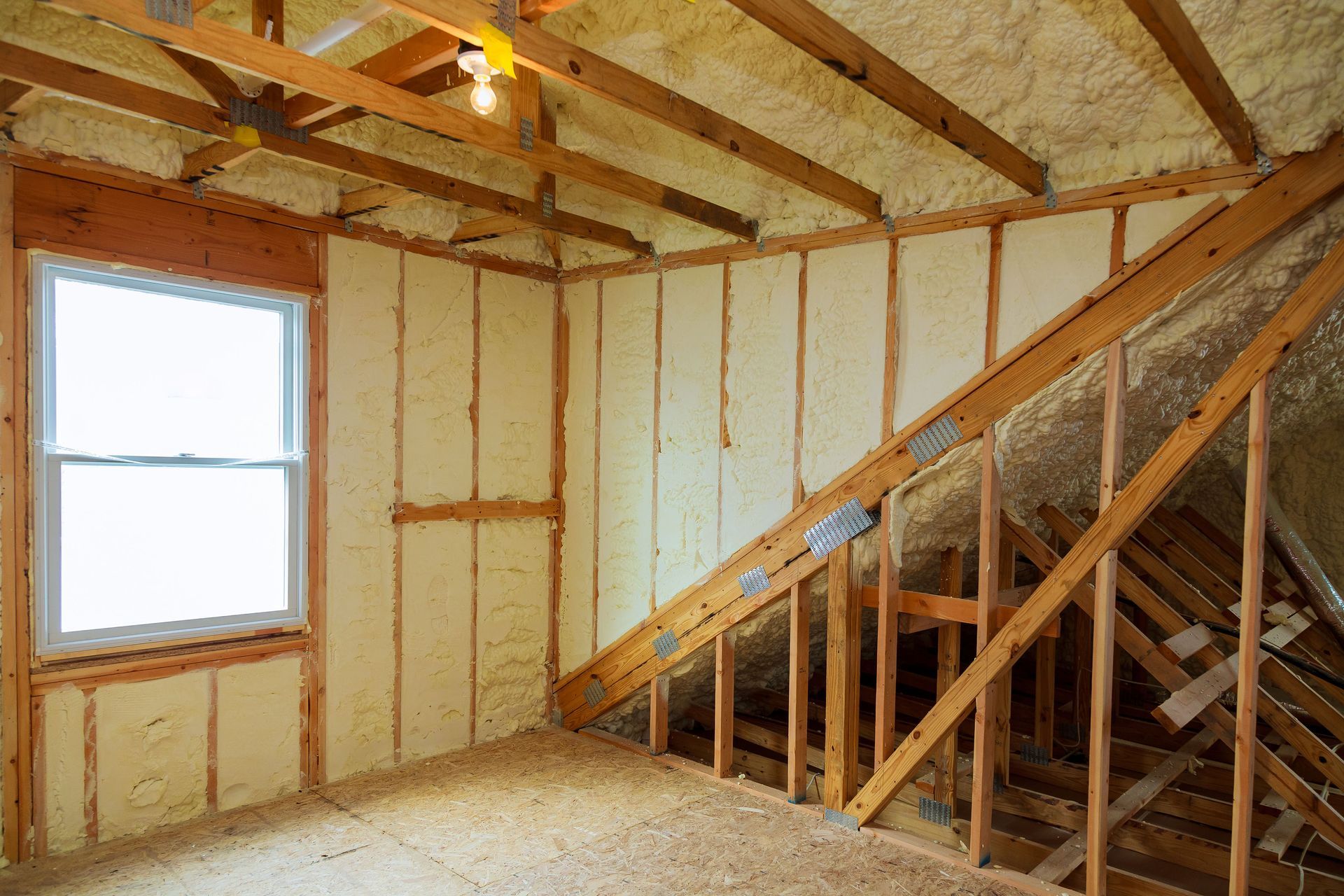
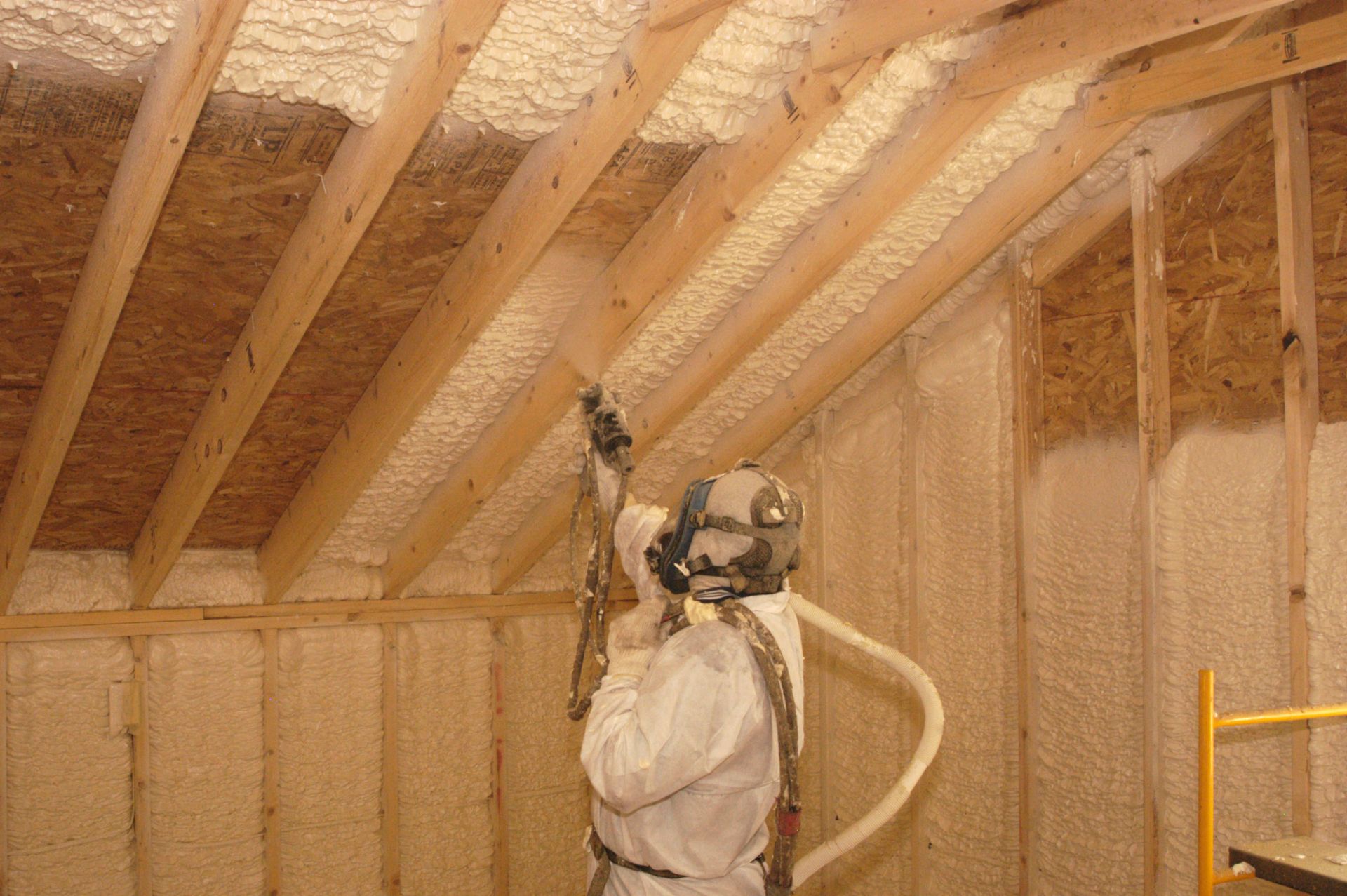
Spray foam can be installed in several areas of a home where air leakage or insufficient insulation may be a concern. Common locations include attics, crawl spaces, exterior walls, basements, rim joists, and other hard-to-reach areas. The material can expand around irregular shapes, making it useful for spaces that are not easy to cover with rigid or batt insulation. However, the appropriate installation location depends on the home's construction and the specific performance goals of the project. Some areas may require additional preparation before insulation can be applied. Moisture concerns, existing damage, ventilation requirements, and other conditions should be addressed before installation begins. A local spray foam insulation contractor can inspect the area and determine whether it is suitable for the application. Professional planning can help homeowners avoid applying insulation without first resolving underlying building issues.
Is Professional Installation Necessary?
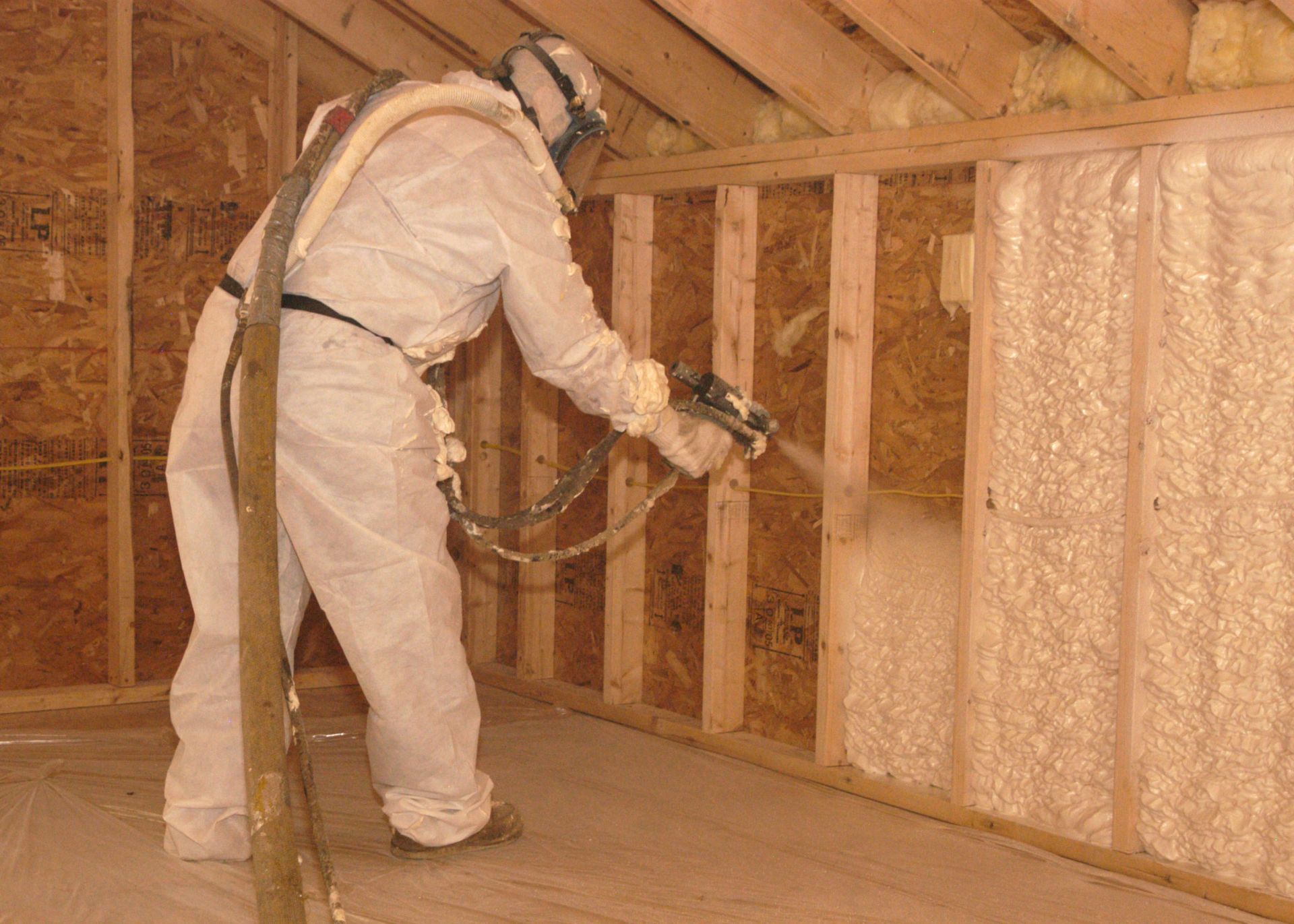
Spray foam insulation requires careful preparation, proper equipment, and attention to application conditions. Incorrect installation can lead to uneven coverage, missed areas, or other performance concerns. The material also expands during application, so installers must understand how much product to apply in different spaces. Professional installers can evaluate the area, prepare the work site, and apply the foam according to the needs of the structure. They can also identify potential concerns that may not be obvious to a homeowner inspecting the space alone. Working with a local spray foam insulation contractor provides homeowners with access to experience that can help support a more organized installation process. Professional service may also reduce the risk of mistakes caused by improper preparation or application techniques. Before choosing an installer, homeowners should ask about experience, project planning, materials, and the steps involved in the work.
How Long Can Spray Foam Insulation Last?
Many homeowners want to know whether insulation will continue performing after the installation is complete. Spray foam is designed to create a durable layer when it is properly installed and maintained as part of a sound building envelope. Its long-term performance can depend on the quality of the installation and the conditions surrounding the material. Structural movement, water intrusion, physical damage, or other building problems may affect the performance of insulation over time. This is why homeowners should address leaks and other sources of damage as soon as they are discovered. Regular inspections of attics, crawl spaces, basements, and other insulated areas can help identify concerns before they become more serious. A local spray foam insulation contractor can help evaluate existing insulation when homeowners notice changes in comfort or possible damage. Proper installation combined with responsible home maintenance can help support lasting insulation performance.
How Should Homeowners Prepare for Installation?
Preparing the area before installation can help the project proceed more smoothly. Homeowners should discuss the project with the installer to understand what needs to be moved, covered, or removed before work begins. The installation area may need to be cleared so the crew can access walls, ceilings, crawl spaces, or other targeted locations. Existing moisture problems, leaks, pests, or structural concerns may also need to be addressed before insulation is applied. Homeowners should ask about ventilation, access, curing time, and any temporary precautions recommended during the project. A local spray foam insulation contractor can provide project-specific preparation instructions based on the size and location of the installation.
If you are considering spray foam insulation for your home, Ultimate Spray Foam, LLC can help you understand your options and determine the right approach for your property. Our team can evaluate your insulation needs, discuss potential installation areas, and provide guidance based on your home's unique construction. Whether you are dealing with drafts, uneven temperatures, or areas that need improved insulation coverage, professional assistance can help you move forward with greater clarity. Contact us today to discuss your project and learn how professional spray foam insulation can support a more comfortable and efficient home.
Share On: