
Why Spray Foam Insulation Fails When Installed Incorrectly
Spray foam insulation, known for its excellent energy efficiency and air sealing properties, can be a homeowner's best friend or worst nightmare, depending on the quality of installation. Understanding the complexities behind the installation process is crucial for homeowners who wish to get the best return on their investment. Improper installation can lead to a host of problems, from decreased energy efficiency to structural damage. By examining the common pitfalls, identifying symptoms of poor installation, and providing tips for successful application, this article aims to enlighten homeowners and professionals alike.
Understanding Spray Foam Insulation
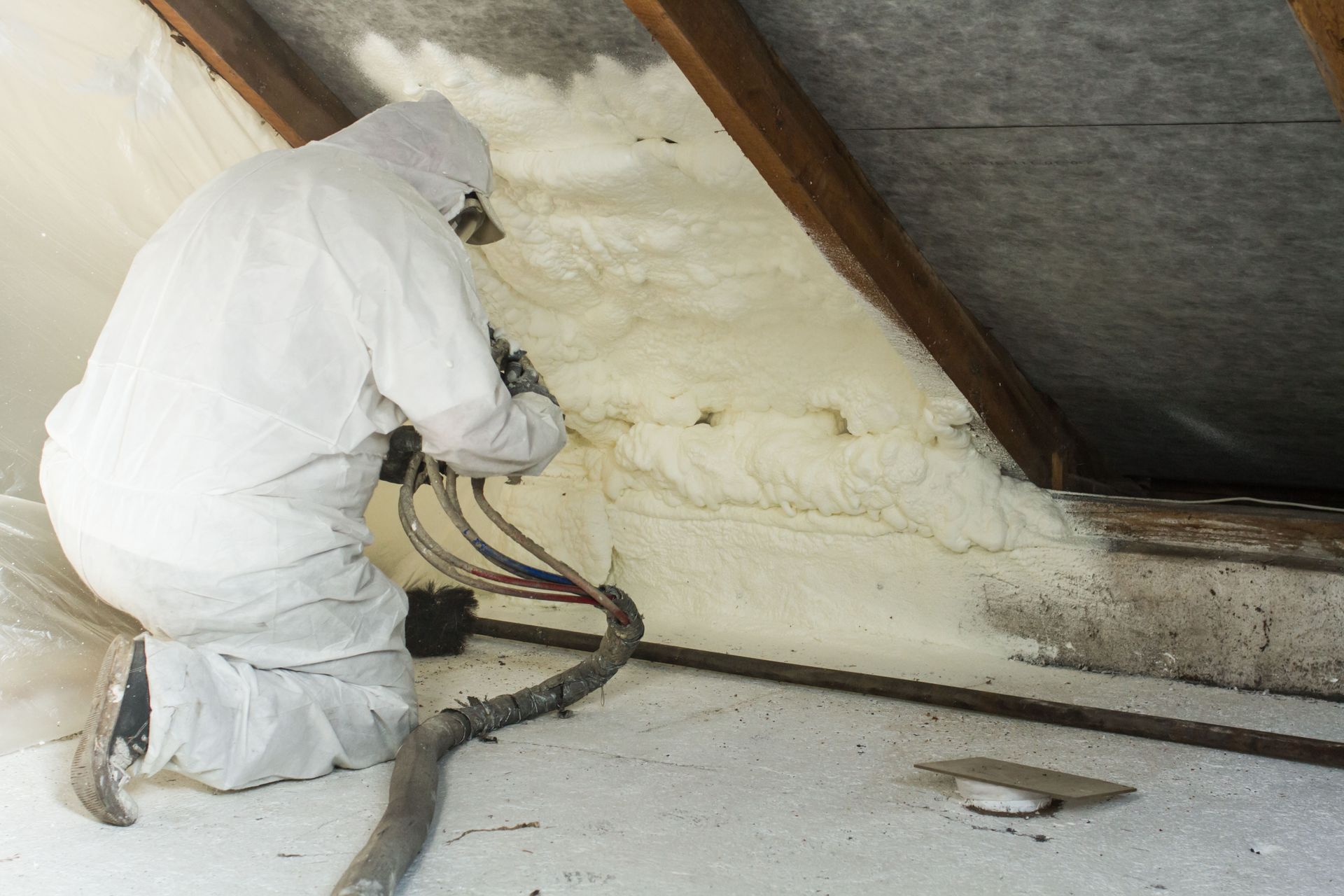
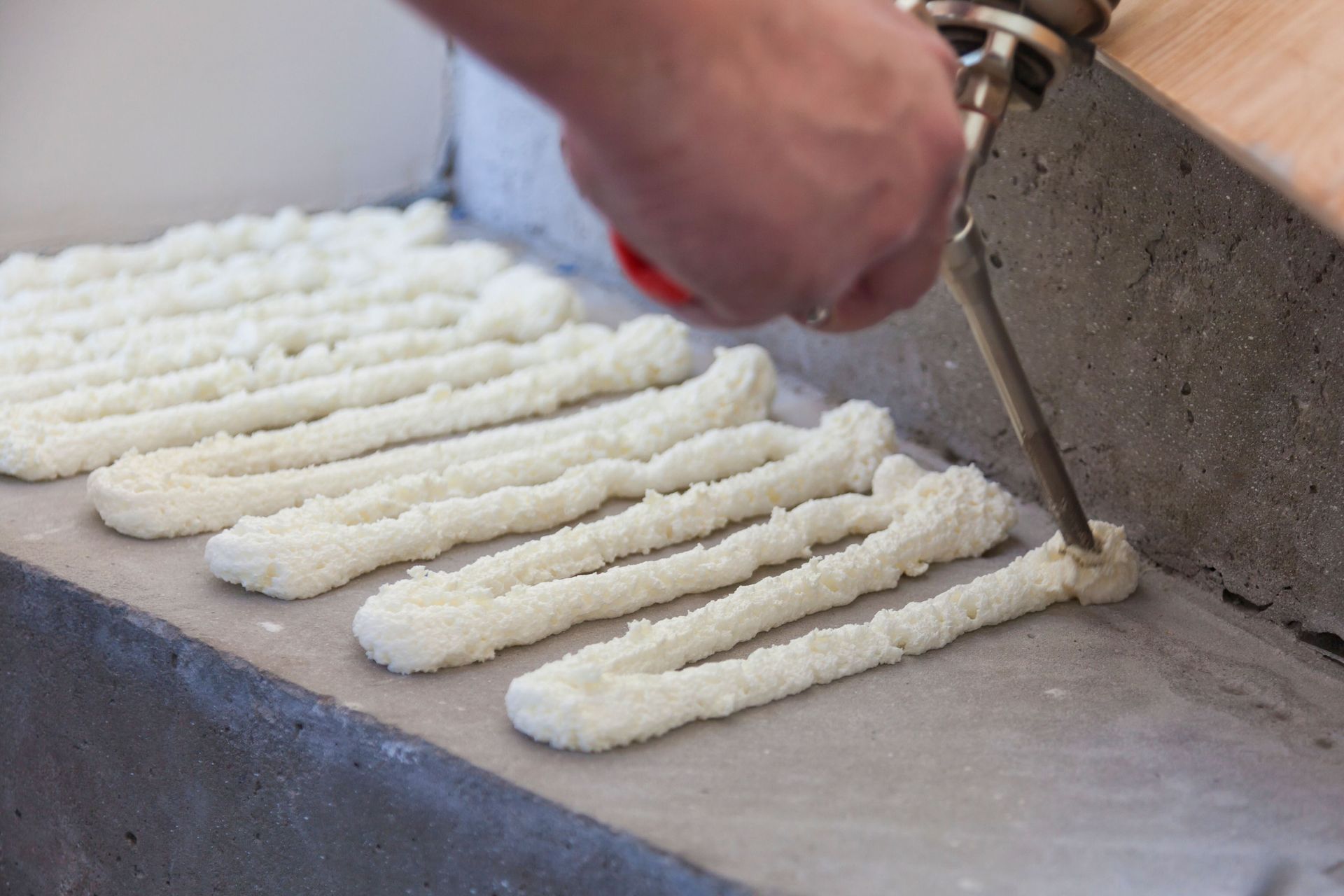
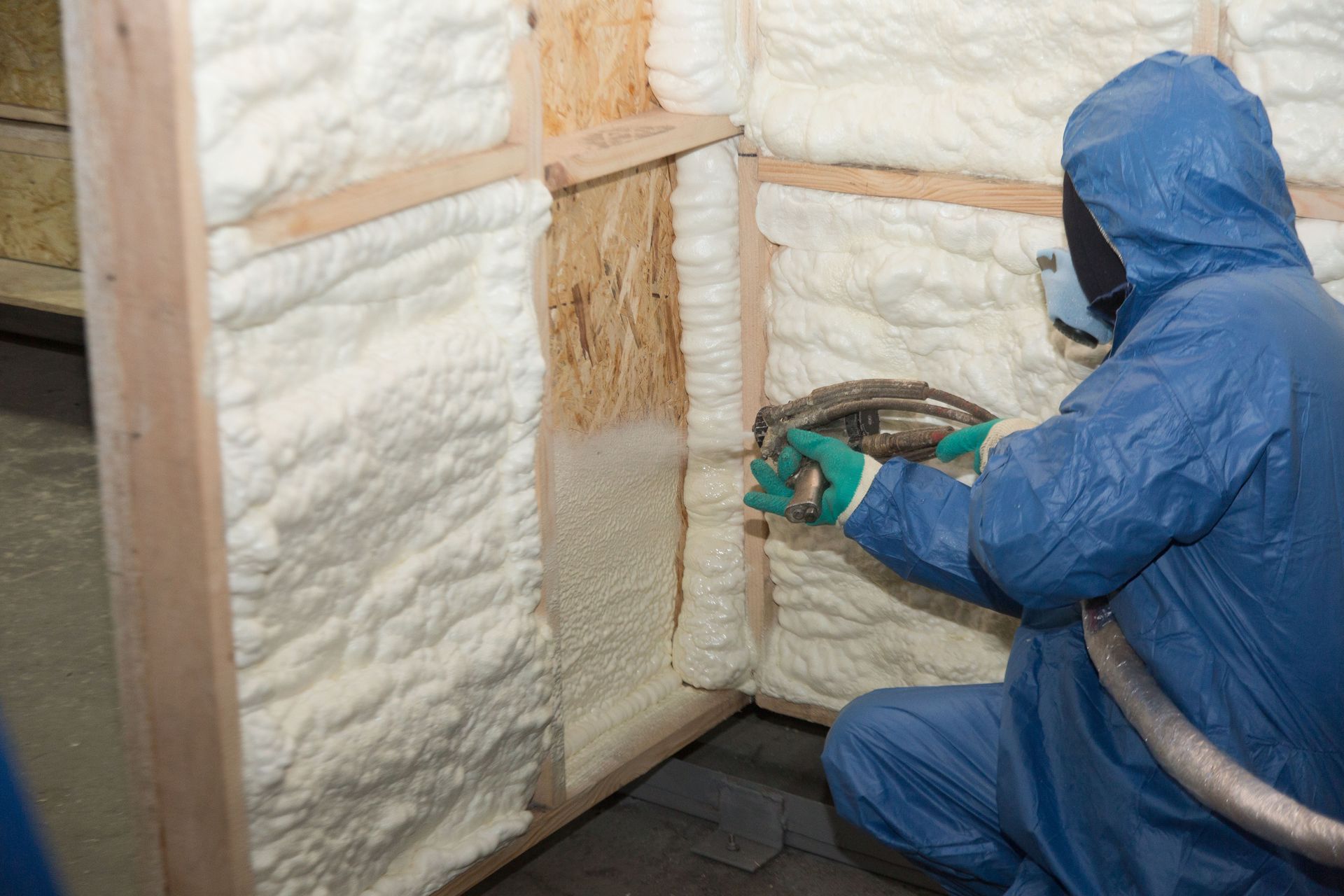
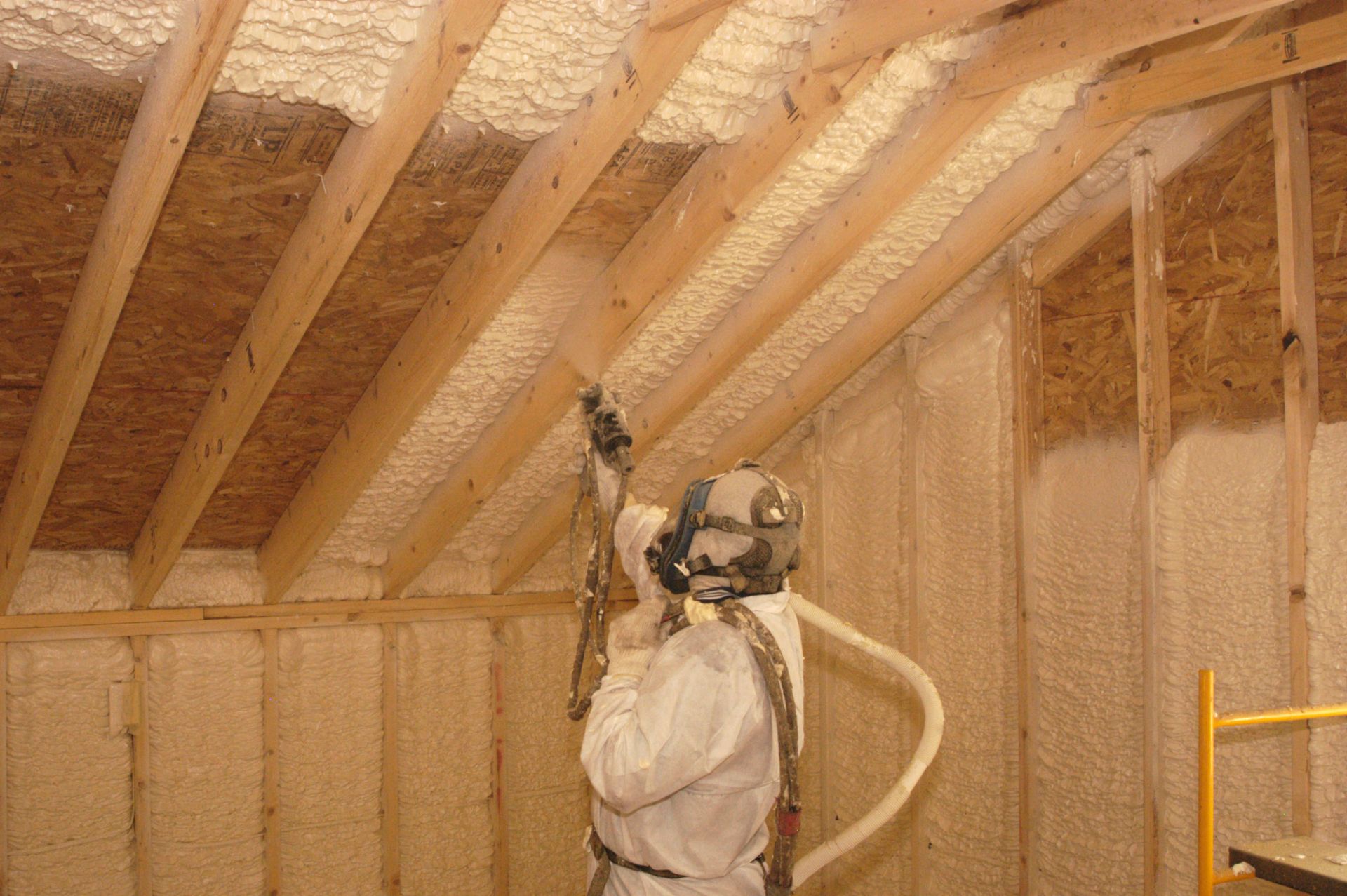
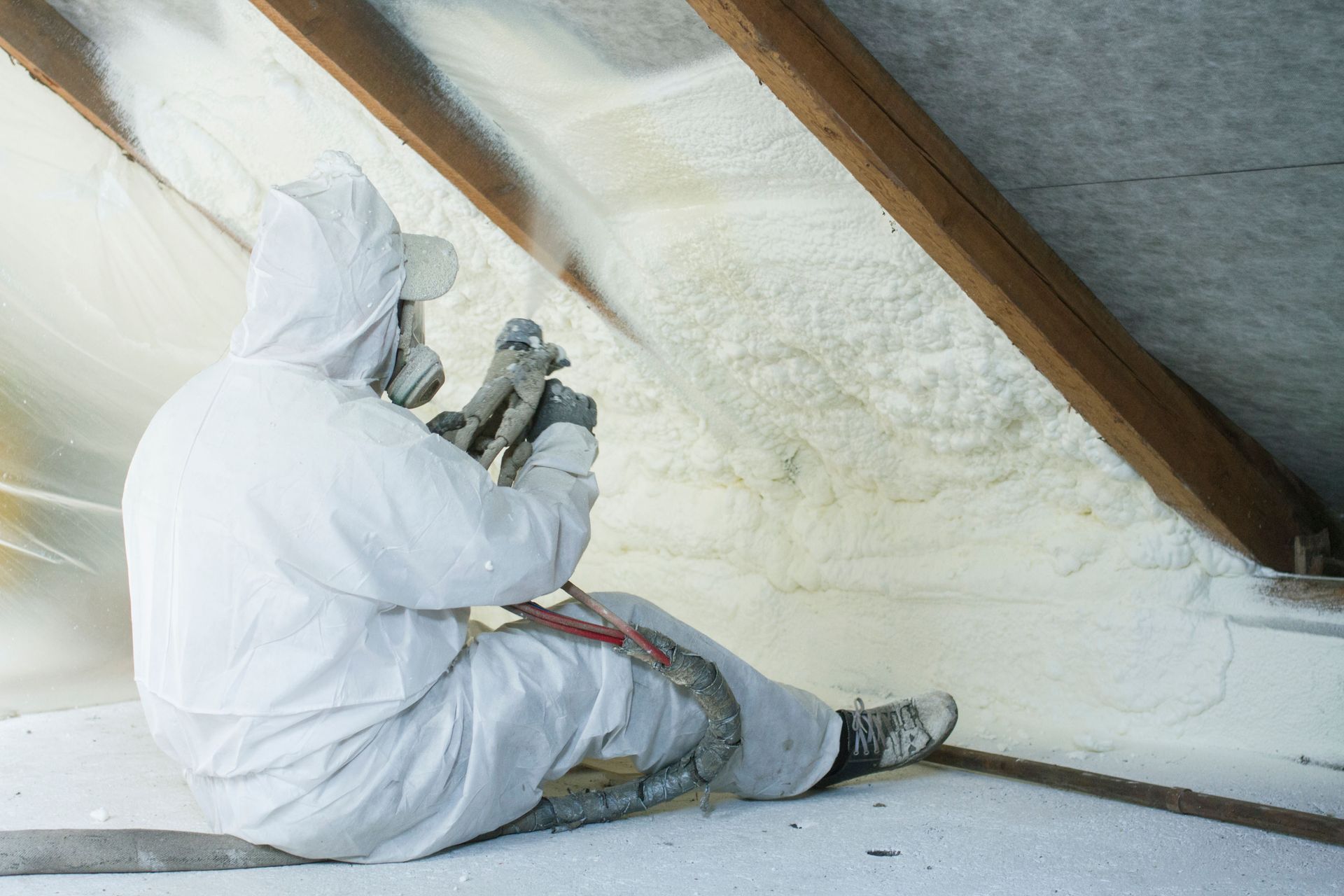
Spray foam insulation is a polyurethane product known for its insulating and sealing capabilities. It is applied by spraying a liquid foam that quickly expands and hardens, creating a barrier against air and moisture infiltration. This type of insulation is favored for its ability to fill gaps and offer coverage in spaces that other insulation types might find challenging. According to Fixr, spray foam can be installed in places where other types of insulation cannot reach, and it can last up to 80 years without breaking down.
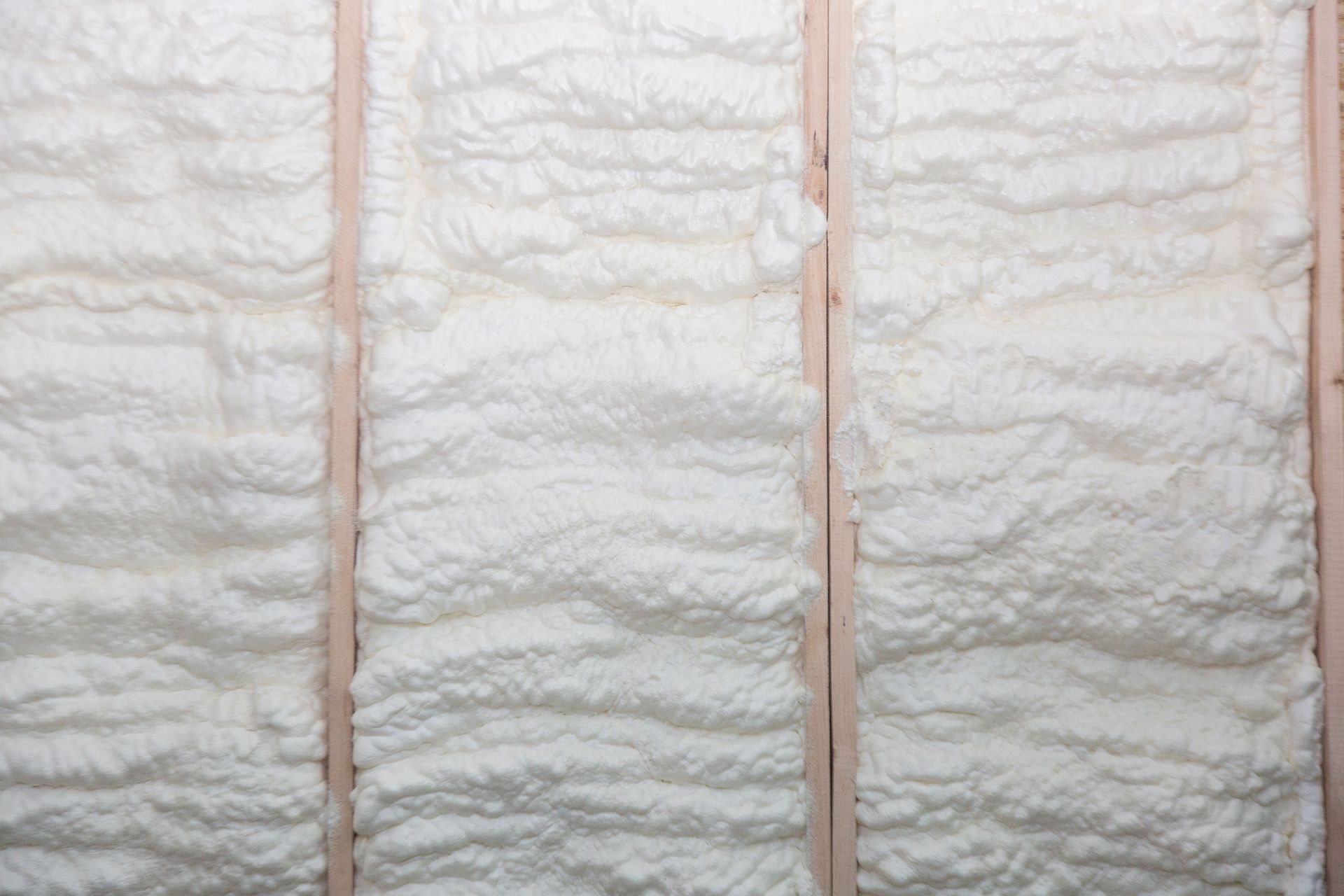
Spray foam insulation comes in two primary types: open-cell and closed-cell. Open-cell spray foam is less dense, offering greater expansion, making it suitable for interior applications where flexibility is needed. Closed-cell spray foam is denser and more rigid, providing higher thermal resistance and moisture barrier capabilities, ideal for exterior applications or areas with potential water exposure. Each type has specific use cases where it performs optimally, depending on factors such as climate, location, and structural requirements.
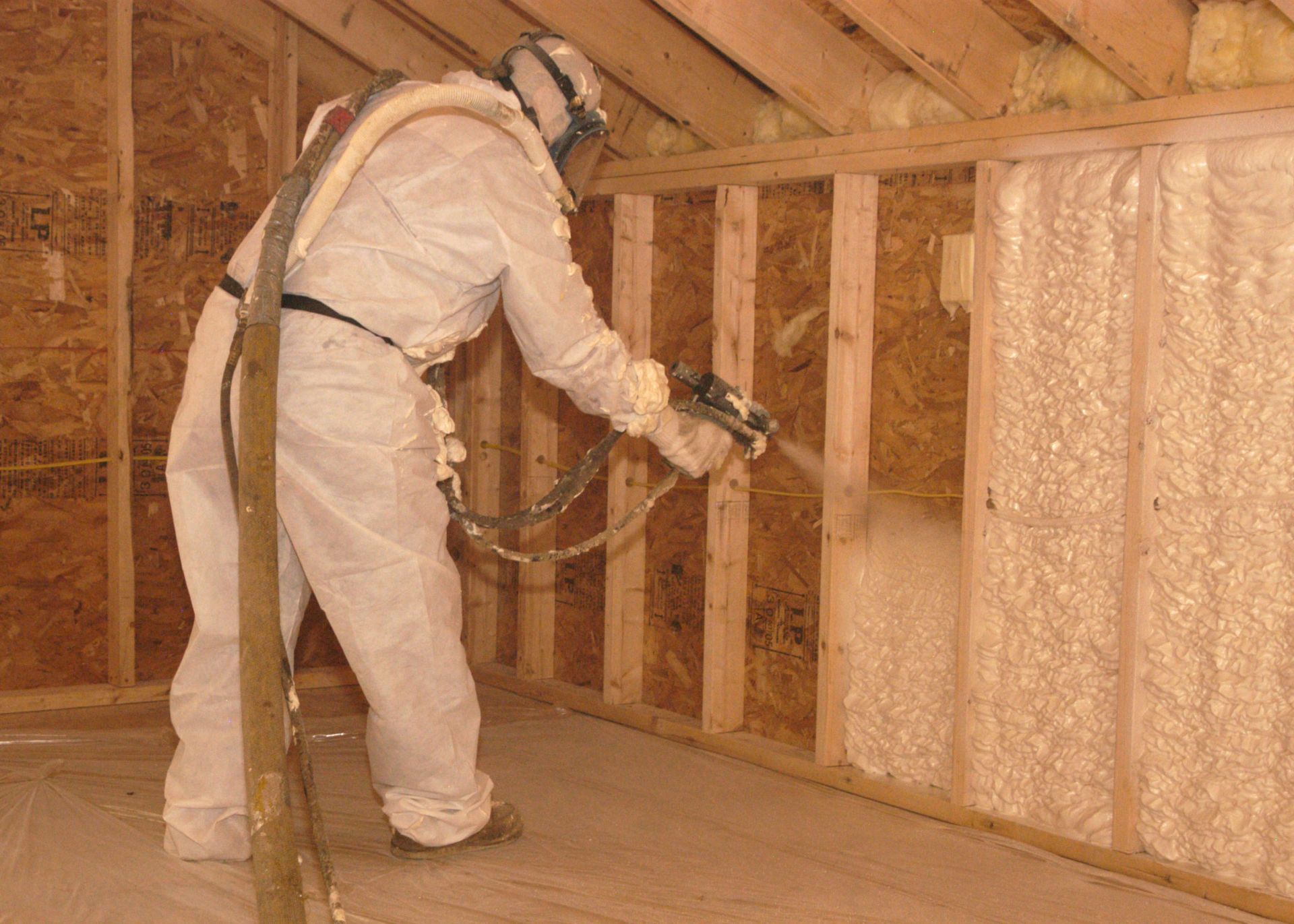
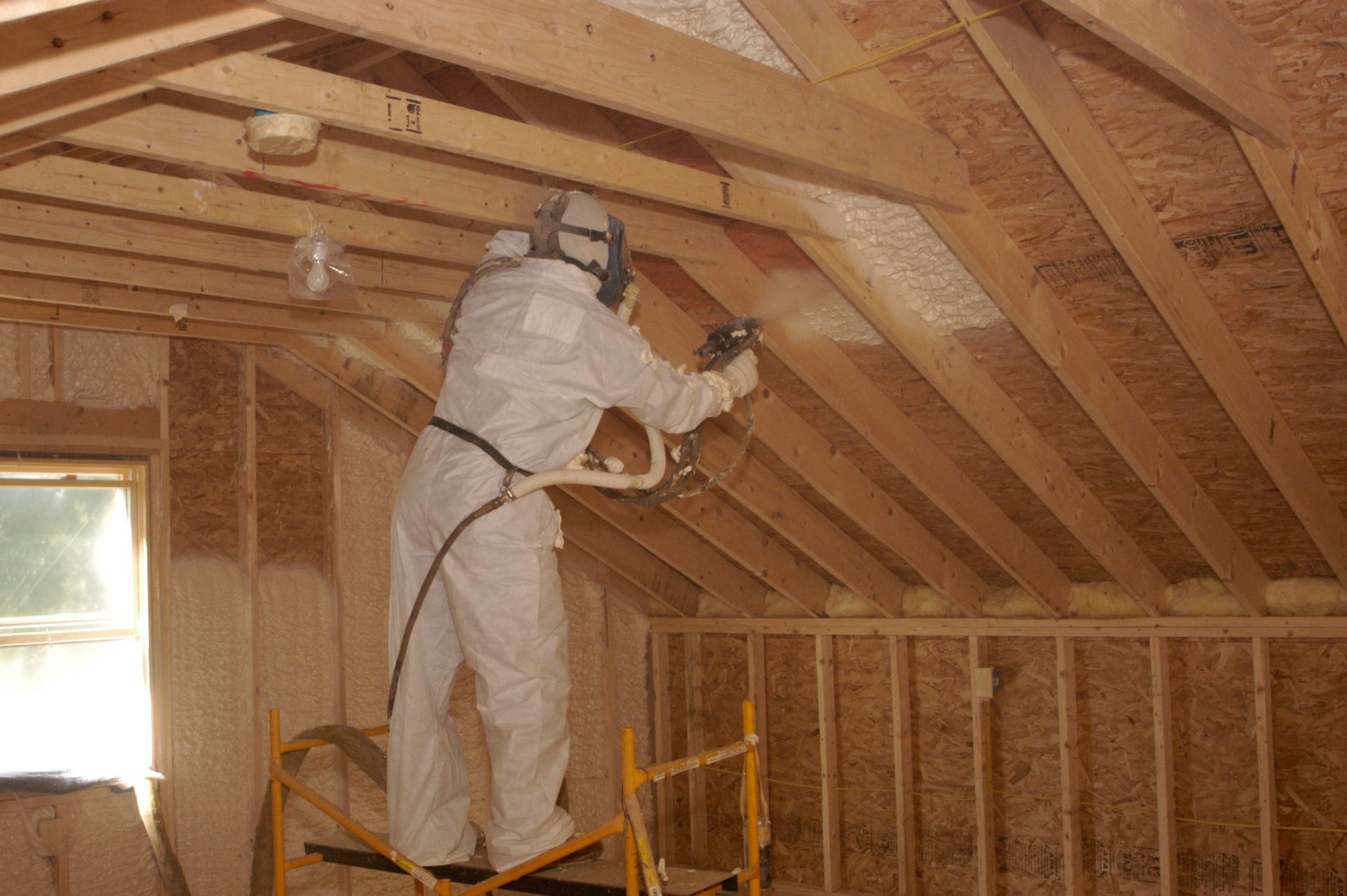
While the benefits of spray foam are numerous, achieving them heavily relies on the skill and expertise of the installer. Professional installation ensures that the foam is applied correctly, with attention to factors like temperature and substrate preparation. Specialists are trained to identify the right type of spray foam for various applications and are adept at managing the precise mixing ratios required for effective performance. Incorrect installation can lead to issues such as poor adhesion, reduced insulation performance, or even structural damage.
Identifying Common Causes of Installation Error
One of the most common causes of installation errors in spray foam insulation is inadequate surface preparation. Surfaces must be clean, dry, and free of any debris or contaminants that may impede the foam's adhesion. Failing to properly prepare the surface can result in poor adherence and reduce the effectiveness of the insulation. Additionally, surfaces should be at the correct temperature before application, as extreme temperatures can affect foam expansion and performance.
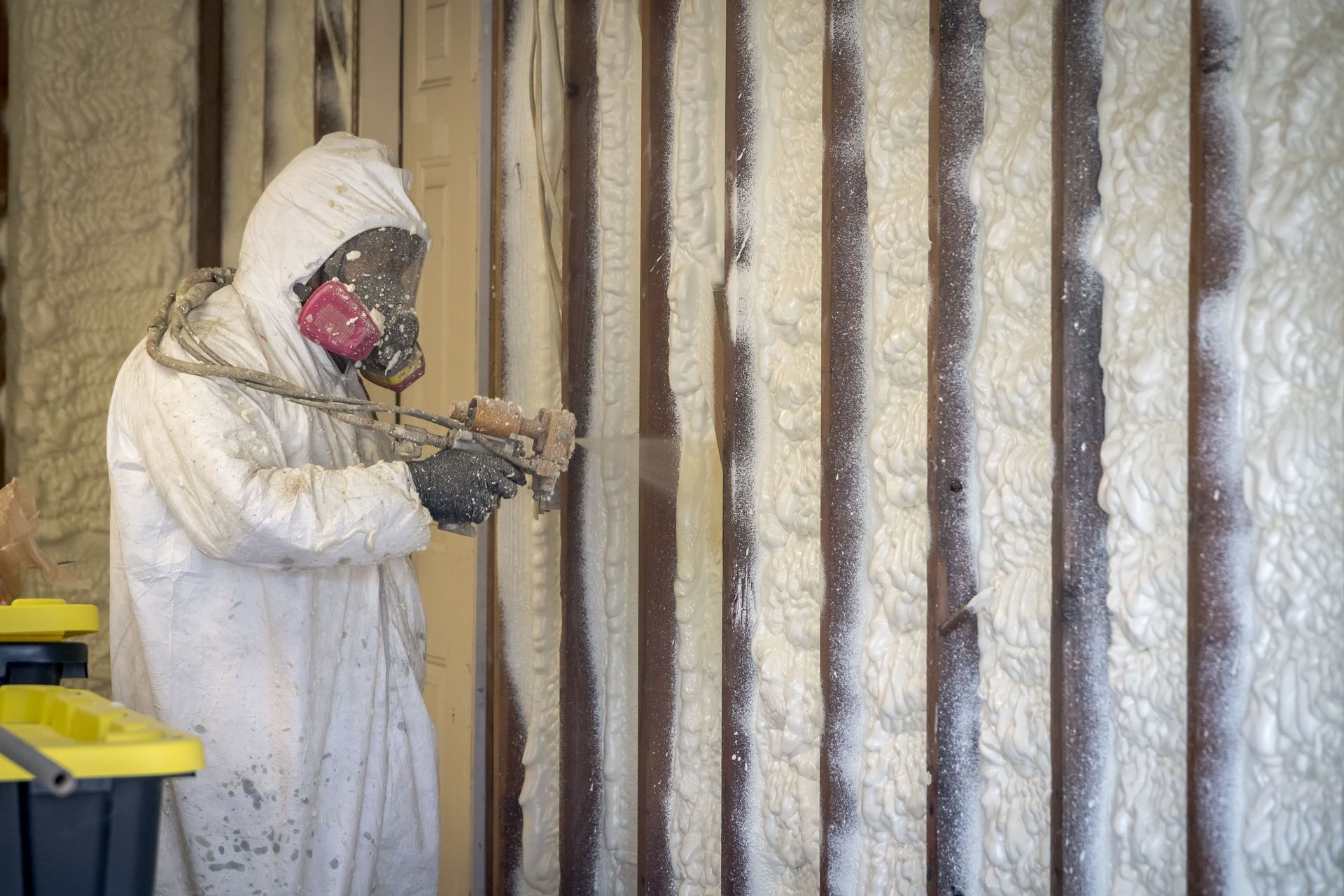
The mixing ratio of the spray foam components is critical to achieving optimal performance. Incorrect mixing can lead to foam that doesn't expand properly or fails to form a robust insulating layer. This can cause air infiltration, compromise energy efficiency, and diminish the insulation's overall effectiveness. Installers must adhere to manufacturer guidelines to ensure that the chemical components react correctly. Advanced equipment and thorough training are necessary to maintain consistency in mixing, highlighting the need for skilled operators.
Environmental conditions play a significant role in the installation of spray foam insulation. High humidity, cold temperatures, or windy conditions can all interfere with the foam application process, affecting expansion and adhesion. To counteract this, installers must be prepared to adjust their techniques and equipment settings based on the current weather conditions. Failure to consider these factors can result in poorly formed foam, which may lead to gaps and reduced insulation value.
Diagnosing Substandard Application Failures
Poor adhesion is a primary indicator of installation failure in spray foam insulation. Signs include sections of the foam pulling away from the substrate or easily separating when touched. This issue can stem from inadequate surface preparation or suboptimal environmental conditions during installation. Poor adhesion not only reduces the insulation's effectiveness but can also allow air and moisture infiltration, leading to higher energy costs and potential mold problems.
Air gaps and voids within spray foam insulation compromise its insulating efficiency. These can occur due to uneven application or failure to expand evenly during the curing process. The presence of gaps and voids allows air to circulate uncontrolled, diminishing the foam's ability to act as a thermal barrier. Identifying these issues can often require inspecting the finished application with infrared cameras or conducting blower door tests. Diagnosing and addressing these voids promptly can help restore the insulation's full performance potential.
Shrinkage and cracking are telltale signs of improper spray foam installation and curing. These issues may arise due to incorrect chemical ratios, rapid changes in environmental conditions, or inconsistencies in application. Shrinkage can lead to gaps forming between the foam and building surfaces, significantly reducing insulation effectiveness. Cracking similarly impacts foam integrity, potentially leading to structural weaknesses. Regular inspections and prompt repairs when shrinkage or cracking is detected are vital.
Analyzing Effects on Building Performance
One of the most significant impacts of poor spray foam insulation installation is decreased energy efficiency. Gaps, voids, and poor adhesion lead to thermal bridging, allowing heat transfer and reducing the effectiveness of the insulation. This results in higher heating and cooling demands, escalating energy bills. Over time, the financial implications can be considerable, outstripping the initial cost savings perceived from discount installation services.
Faulty spray foam insulation installations can adversely affect indoor air quality. Issues like off-gassing and incomplete coverage can leave residents exposed to chemical odors and potential allergens. Properly installed spray foam should improve air quality by sealing drafts and preventing outdoor pollutants from entering. However, when the installation is compromised, it can result in the exact opposite effect. Careful selection of products and installers with strong attention to detail is crucial.
Improper installation of spray foam insulation can lead to structural issues within a building. Incorrectly expanded foam, exerting undue pressure on building elements, can cause warping, cracking, or deformation of structures. Ongoing moisture issues from improper seals can weaken building materials over time, exacerbating these structural concerns. Regular inspections post-installation are essential in detecting any undue stress or damage early, before it leads to significant repair costs.
Implementing Best Practices for Project Success
Effective surface preparation is foundational to successful spray foam insulation installation. This involves meticulous cleaning and drying of all substrates to ensure maximum foam adhesion. Installers must be mindful of temperature and moisture levels, adjusting their approach as necessary to suit environmental conditions. Use of primers and adhesion promoters can further enhance bonding, particularly on challenging surfaces.
The precision of chemical mixing and application is paramount in spray foam insulation. Installers must follow manufacturer guidelines regarding ratios and equipment settings to ensure the foam expands and cures properly. Use of equipment that automatically adjusts and monitors mixing ratios can aid in maintaining consistency across large project areas. Precision in these areas ensures that the foam's insulating properties are fully realized, minimizing the risk of performance issues.
Implementing rigorous quality control measures is essential in spray foam insulation installation. This includes routine checks on equipment functionality, setting consistency, and environmental control during application. Quality control protocols might also involve post-installation testing, such as thermal imaging, to ensure comprehensive coverage and the absence of voids or gaps. These measures collectively work to uphold high-performance standards.
While spray foam insulation offers many advantages, its success heavily relies on proper installation. By understanding common pitfalls and implementing best practices, homeowners can ensure the insulation performs as intended, providing energy efficiency and comfort for years to come. Selecting a qualified contractor further mitigates the risk of failure, safeguarding the investment and maximizing the benefits of spray foam insulation. For more information about the services that we offer, reach out to our incredible team at Ultimate Spray Foam, LLC today!
Share On: